Canton Fair Phase 2 closes. The flights home are booked. The catalogues have been shared. The conversations have been had.
For buyers, the fair is over.
For a manufacturer, it's the moment the real work begins.
What Happens the Day After the Fair Closes
The 48 hours after Canton Fair Phase 2 ends are among the most intense in our production calendar.
Briefs land in volume. Sample requests stack up. Conversations that started at a booth in Pazhou continue over email and WhatsApp — buyers following up, asking questions, requesting specifications they didn't have time to note on the floor.
Every serious manufacturer is working through the same queue. Production lines that were open two weeks ago start getting allocated. Sampling slots — the capacity a factory reserves for new project development alongside existing orders — begin filling before most buyers have finished writing their briefs.
This is the part buyers never see. And it's the part that most directly affects whether their H2 launch happens on time.

The Sample Queue Is Not a Waiting List — It's a Pipeline
When a buyer submits an OEM/ODM request or asks for a custom sample, they're not joining a queue that moves at a fixed pace. They're entering a pipeline that runs on capacity.
At Winko, every incoming enquiry is reviewed and responded to within three working days. Our design team assesses the specification, identifies whether existing tooling can be adapted or new dies need to be cut, and prepares a tailored proposal with design concepts and cost estimates.
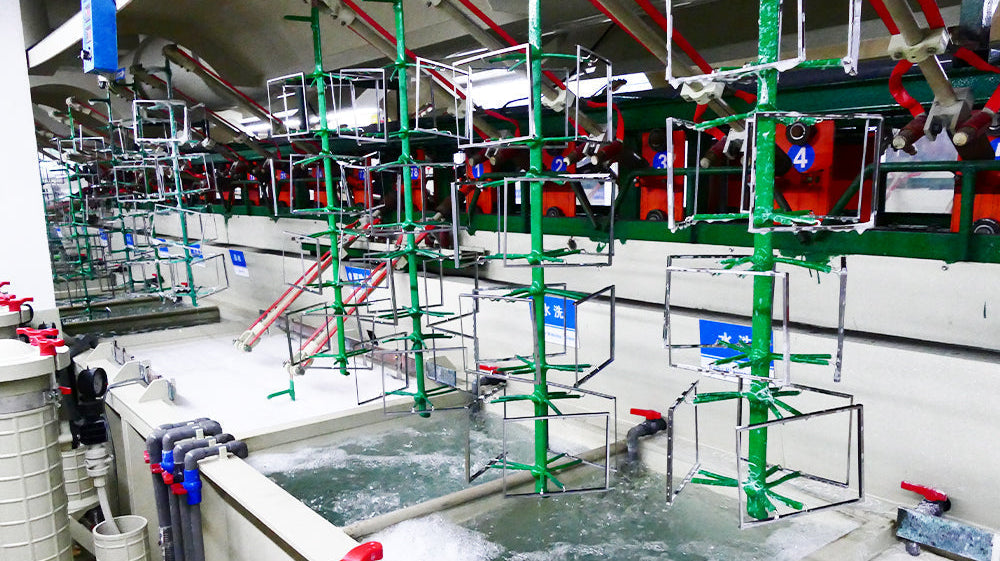
What buyers don't see is what happens in parallel: the enquiry is assessed against current production load. How many other projects are in active sampling? What's the electroplating schedule for the next four weeks? Is the finishing capacity already committed to existing orders?
A buyer who submits a complete, well-structured enquiry in early May gets a very different production experience than one who submits the same enquiry in late June — not because the manufacturer changed, but because the pipeline did.
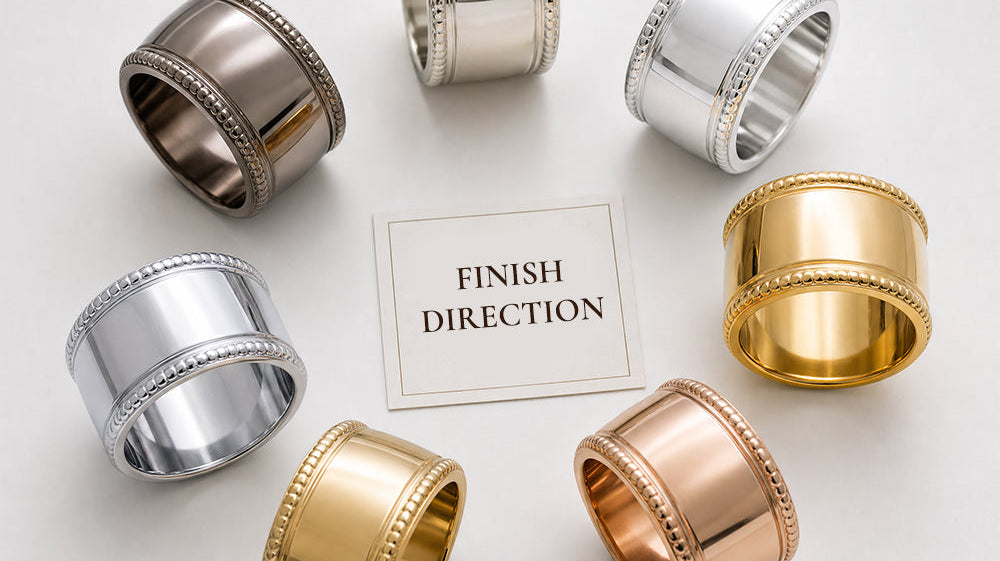
What this means in practice: The quality of your enquiry directly affects your position in the pipeline. Incomplete specifications — missing finish direction, unclear MOQ targets, unconfirmed colorways — create back-and-forth that costs days. Buyers who arrive with a clear brief move faster.

The Prototype Stage: Where Most Timelines Slip
If there's one stage that consistently surprises buyers, it's prototyping.
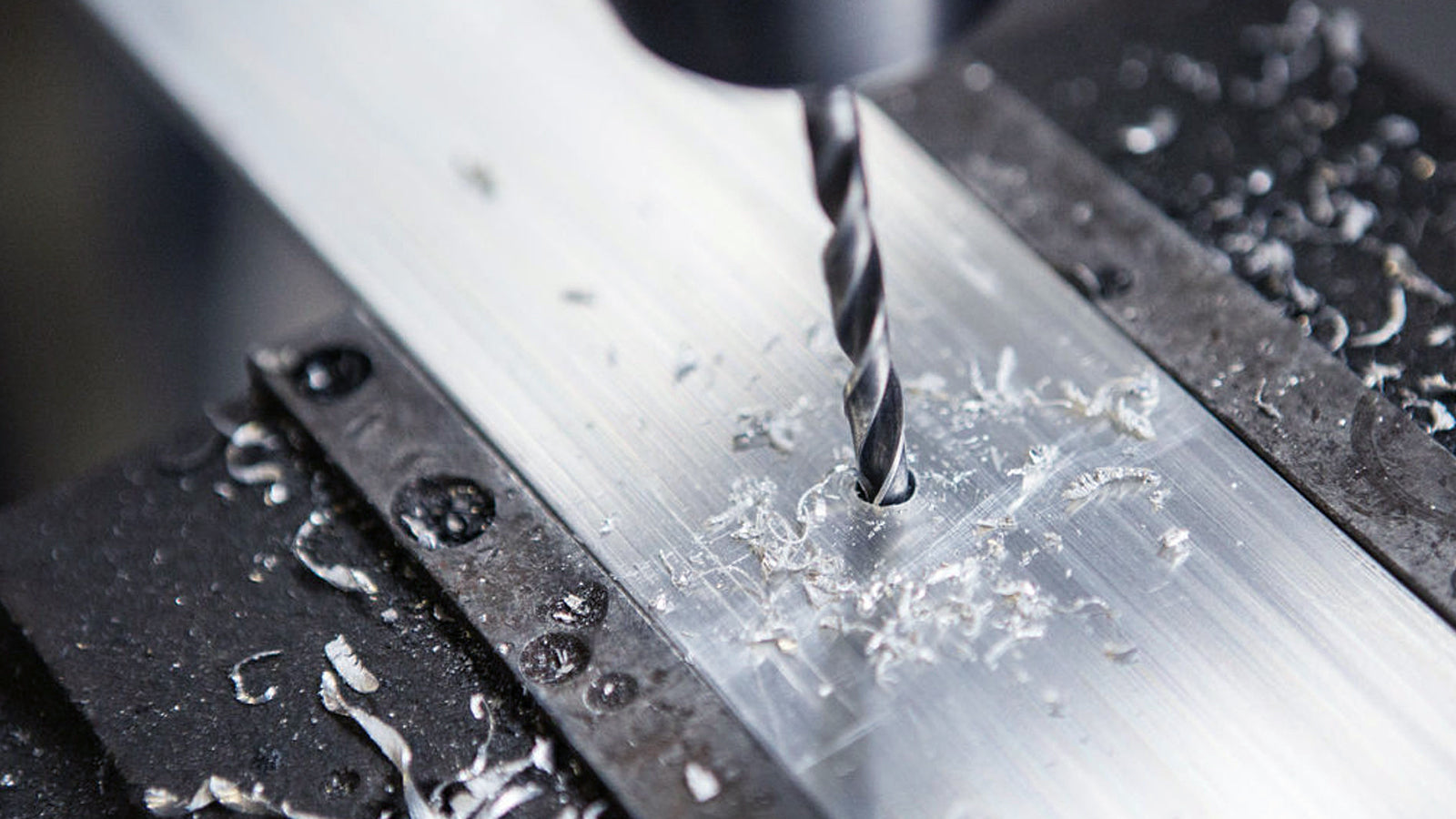
A prototype is not a sample pulled from existing stock. It's a purpose-built physical proof of concept — machined to your dimensions, finished to your specification, produced so your team can verify that what you briefed is what you actually want before production is committed.
This is where timelines most often slip. A prototype arrives at a buyer's office in London or New York. It sits on a desk while the buying team is in meetings. It gets passed to the creative director for sign-off. A revision is requested — a slightly different finish, a dimensional adjustment, a packaging change. Another round begins.
None of this is unusual. It's simply the reality of custom development. But buyers who account for it in their planning — who assign a clear internal reviewer and set a response deadline — consistently hit their production windows. Those who don't often find themselves negotiating lead times in August for products they need in October.

Capacity Is Allocated, Not Guaranteed
Here is the part of post-fair production that most buyers find surprising when they encounter it for the first time:
Production capacity is not held open indefinitely for buyers who expressed interest at the fair.
A conversation at Canton Fair — even a strong one, even one that ends with a handshake and a catalogue — does not reserve a production slot. Capacity is allocated when an enquiry is submitted, reviewed, and moved into active development.
This is not a sales tactic. It's a manufacturing reality. A production line running stamping, casting, and electroplating for existing orders cannot simultaneously hold open capacity for projects that haven't been confirmed. Planning a production schedule requires knowing what's actually coming in — and when.
For buyers, the implication is straightforward: the window between Canton Fair closing and production capacity filling is measured in weeks, not months. Brands and retailers planning H2 2026 ranges — Q4 gifting programmes, hospitality rollouts, retail ranging for the autumn season — are working with a timeline that starts now.

A Realistic View of the Post-Fair Timeline
For buyers planning custom or OEM projects after Canton Fair 2026, here is what a realistic development schedule looks like from enquiry to production-ready:
| Stage | Typical Duration |
|---|---|
| Initial enquiry response | 3 working days |
| Consultation & tailored proposal | Based on project complexity |
| Design, prototyping & production | 60–75 working days from confirmation |
| QC + pre-shipment inspection | 3–5 working days |
| Total from enquiry submission | Approximately 12–18 weeks |
The variable in this timeline is not the factory. It's the buyer.
Enquiries submitted with complete specifications, clear finish direction, and a designated internal reviewer move through this schedule efficiently. Projects with unresolved decisions at any stage accumulate delays that compound — a week lost at prototyping becomes two weeks lost at production scheduling.

What the Shine Actually Costs
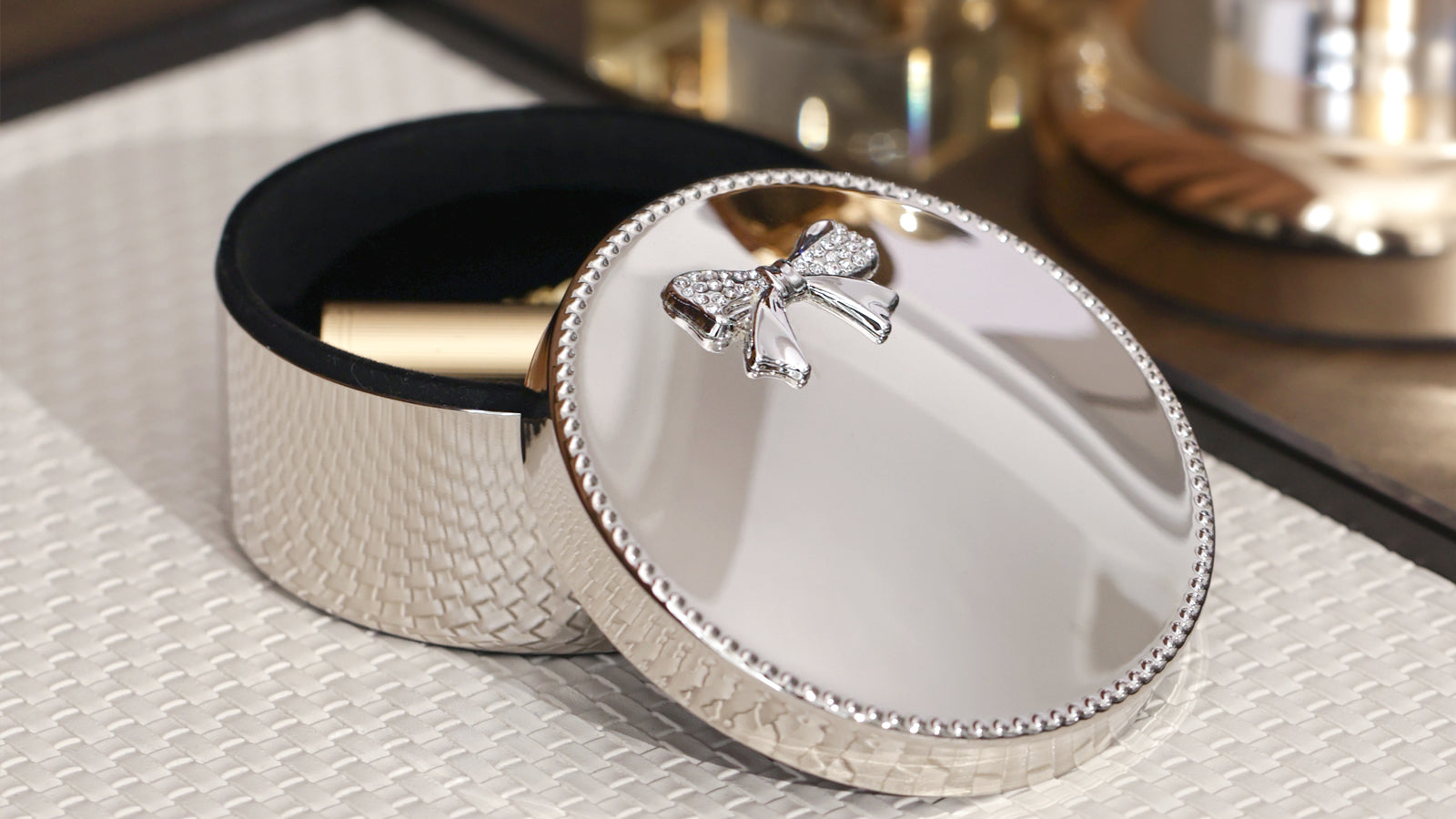
The high-polish gold finish on a Woven Glow serving tray. The ceramic-and-linen combination of the Delft Blue table lamp. The precisely consistent woven texture across an entire run of trinket boxes.
None of this is accidental, and none of it is fast.
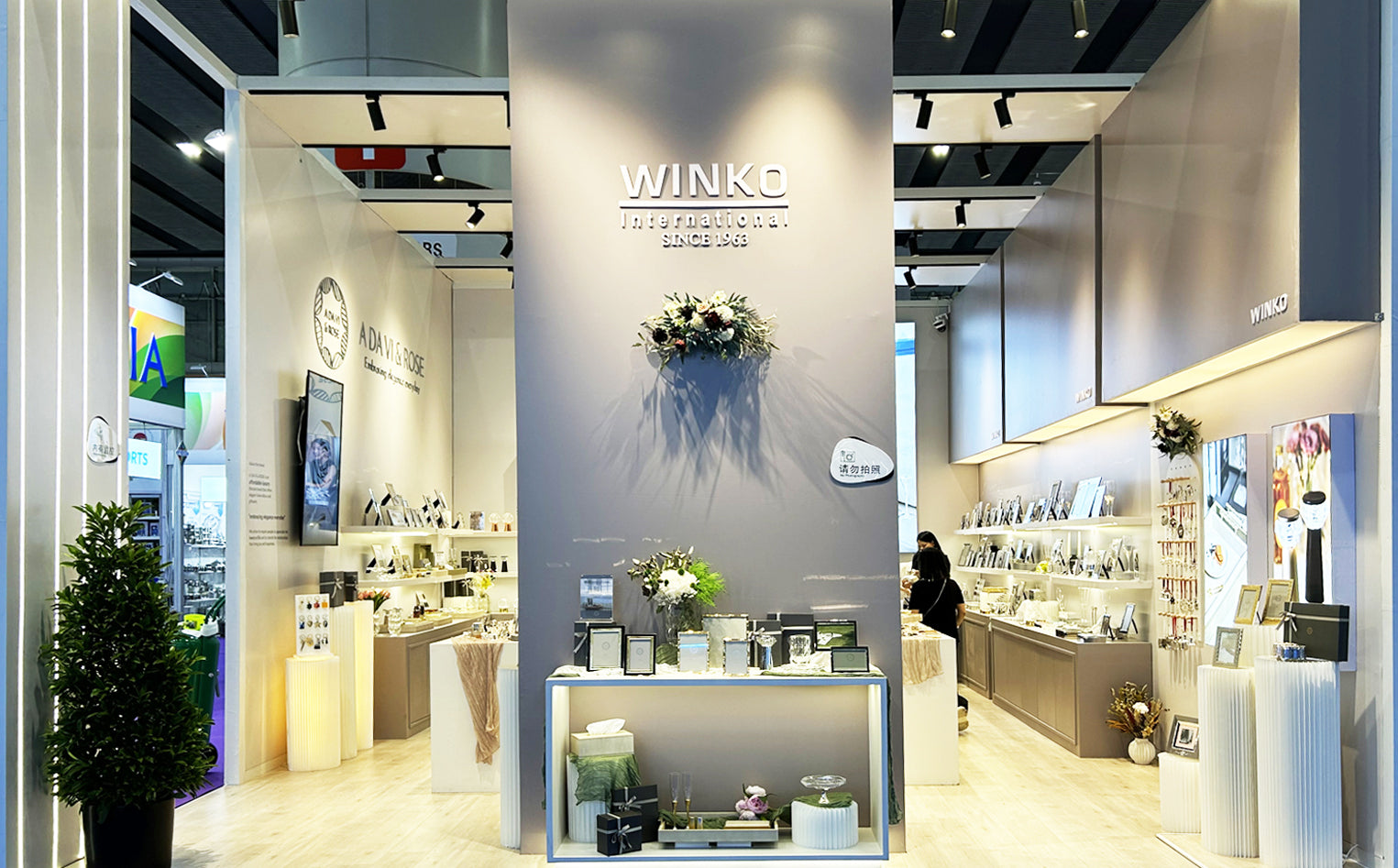
What buyers see at Canton Fair — and what arrives at their warehouse — is the result of a development and production process that runs quietly in the background, long before and long after the five days in Pazhou.
The buyers who understand this process are the ones who build it into their planning. They submit complete enquiries. They respond to prototypes quickly. They treat the post-fair window not as a grace period, but as the most important sourcing decision of their season.

The Enquiry You Submit This Month Determines Your H2
If your next range includes custom metalware, OEM gifting pieces, or new SKUs developed from the Woven Glow or Delft Blue FW26 collections, the conversation starts here.
Ready to start your FW26 project?
Request the Woven Glow + Delft Blue catalogues and get a quote directly on our website.