A finish is usually the last thing specified in a brief and the first thing a customer actually touches. That gap — between how little attention finish gets during sourcing and how much it shapes the end user's impression — is where a lot of otherwise well-designed products quietly underdeliver.
Finish isn't decoration layered on top of a finished part. It's functional: it protects the base metal from corrosion and wear, it determines how the piece ages over months and years of handling, and it's often the single biggest factor in whether a product feels premium or forgettable the moment someone picks it up. For a metal finishing manufacturer, getting this stage right is as much engineering as it is aesthetics.

Why Finish Is Protection, Not Just Appearance
Unfinished or improperly finished metal is vulnerable to oxidation, surface corrosion, and wear patterns that show up faster than most buyers expect — particularly for metals that aren't inherently corrosion-resistant on their own. Polishing and plating address this at two different levels.
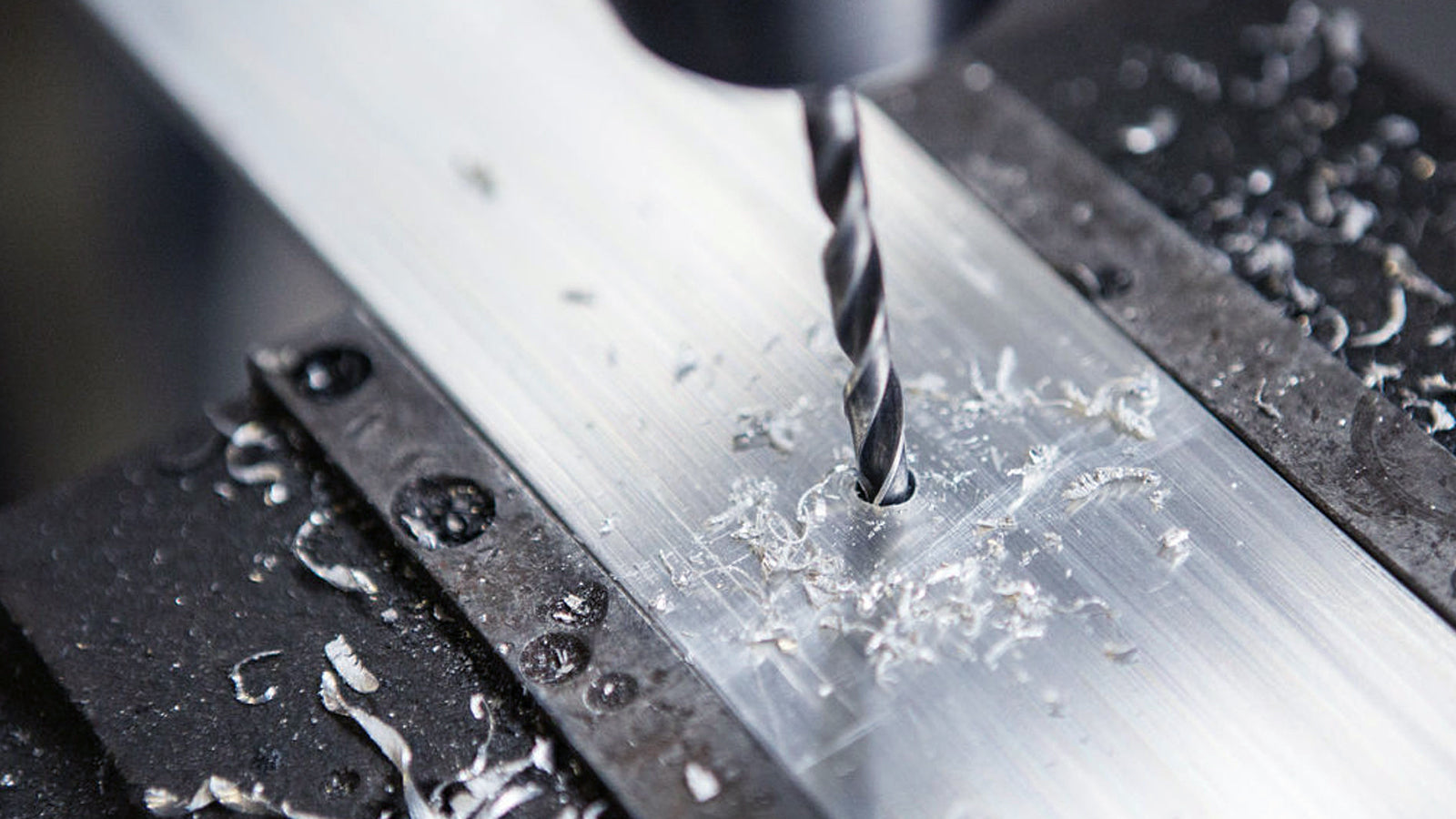
Polishing refines the surface of the base metal itself — removing microscopic imperfections, creating a smoother surface that's more resistant to the kind of pitting and dulling that comes from repeated handling. A well-polished surface isn't just more attractive; it's also more resistant to the buildup of contaminants that accelerate corrosion over time.
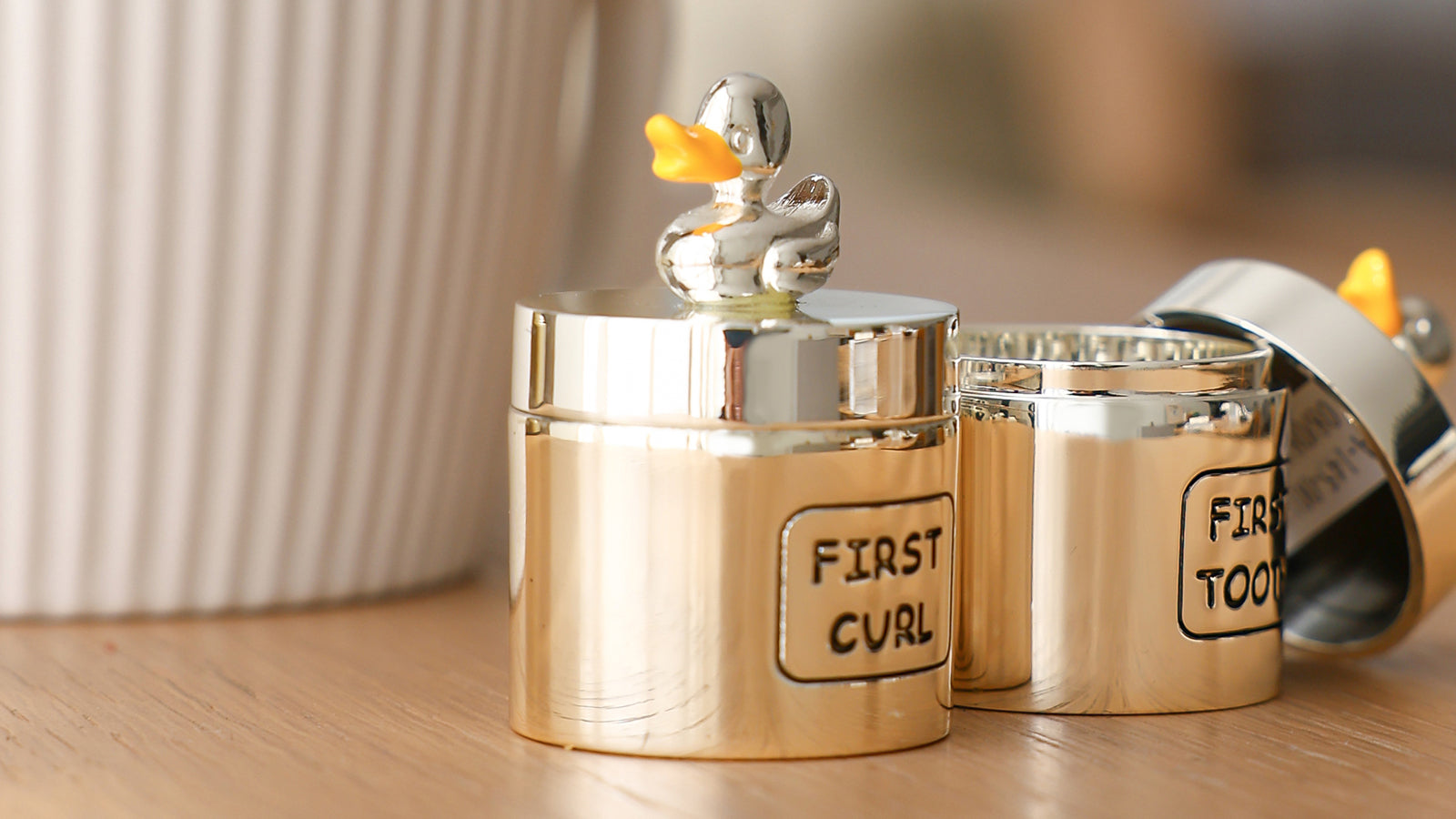
Plating adds a separate metal layer on top of the base material, chosen for properties the base metal doesn't have on its own — additional corrosion resistance, a different color or tone, or a harder, more wear-resistant surface. Gold and silver plating are common choices for premium giftware specifically because they combine visual appeal with genuine protective properties, not purely for decoration.
Buyers who treat finish purely as a style choice miss this functional layer entirely — and it's usually the reason a product that looked identical to a competitor's sample in the initial comparison ages very differently after a year of actual use.

How Finish Choice Affects Brand Perception
The first physical interaction a recipient has with a giftware piece is almost always tactile before it's anything else — the weight, the surface texture, whether it feels considered or generic. Finish does more work in that moment than most other design decisions combined, because it's the layer a hand actually makes contact with.
This matters differently depending on context. For corporate gifting, a finish that looks premium out of the box but shows fingerprints, scratches, or dulling within weeks creates a specific kind of brand damage: the recipient's positive first impression degrades over time, and they associate that decline with the brand that gave them the piece — not with a manufacturing decision they never saw. For hospitality and retail tabletop programs, a finish that doesn't hold up to repeated handling and washing creates a visible inconsistency problem across a set, which is its own kind of brand damage in a different context.
Getting finish right isn't just about the unboxing moment. It's about what the product still looks like at the point when it's had time to actually prove — or fail to prove — that it was worth the premium positioning.

Matching Finish to Use Case
Not every finish suits every application, and choosing based on appearance alone without considering handling frequency and environment is a common — and avoidable — mistake.
- High-handling items — trays, tableware, anything picked up and set down repeatedly — benefit from finishes chosen for wear resistance as much as appearance. A finish that looks stunning in a product photo but scratches easily under normal use will look worse after a month of real handling than a slightly less dramatic finish that holds up.

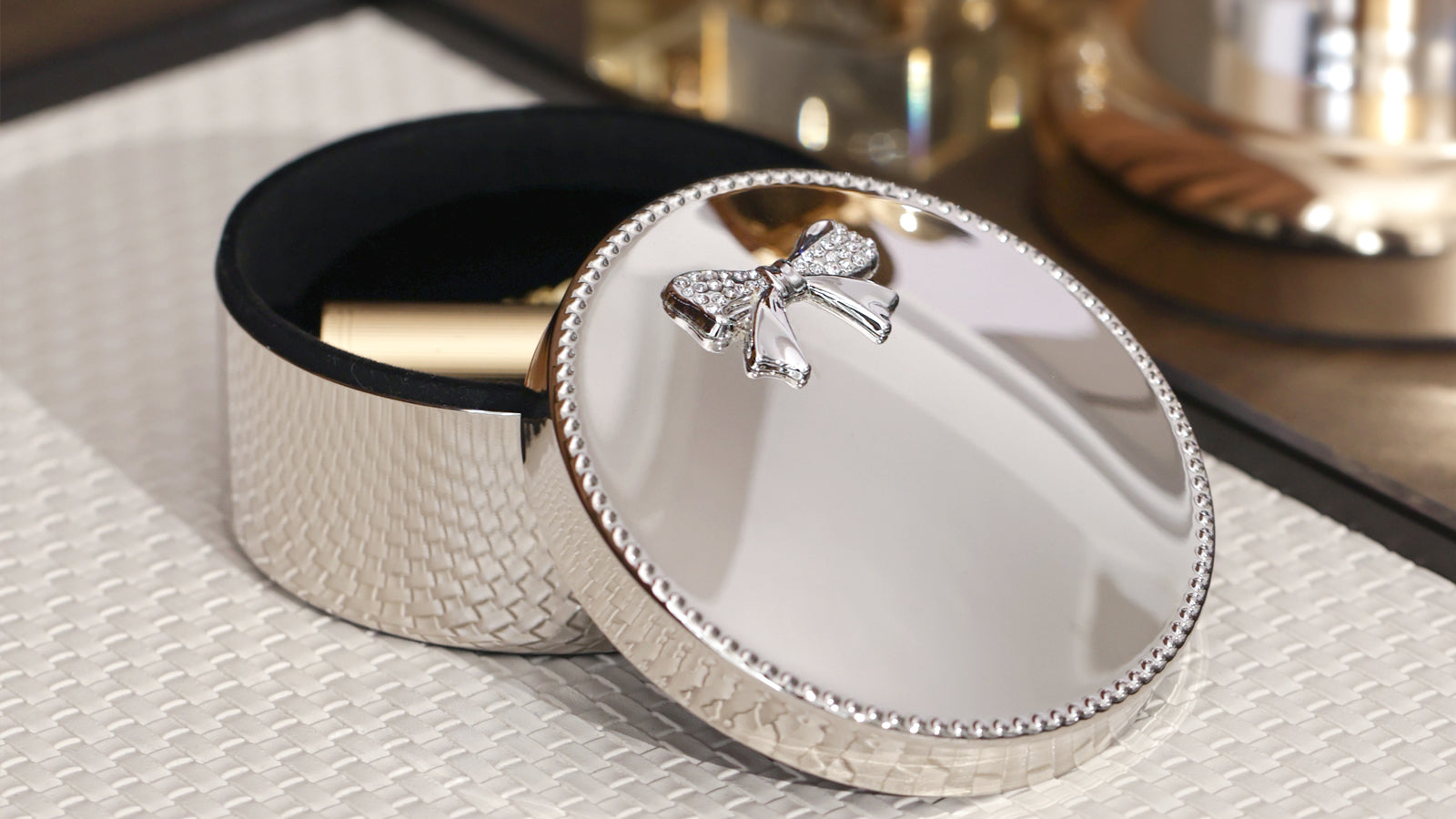
- Display and low-handling items — frames, decorative boxes, items primarily seen rather than touched frequently — have more room to prioritize visual impact, since wear resistance matters less when the piece isn't being repeatedly handled.
-
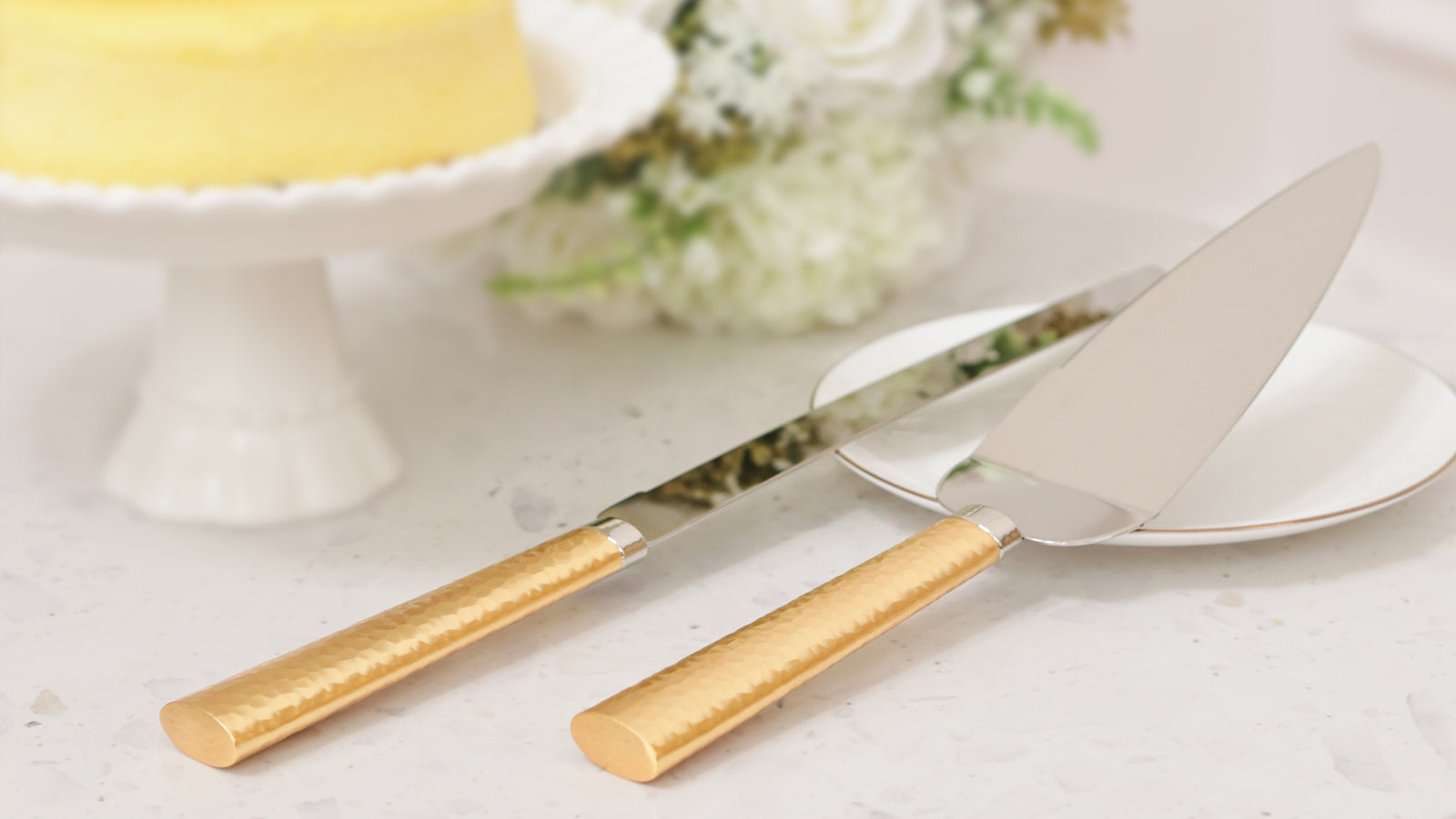
Items with brand-critical color accuracy — pieces where a specific gold tone or metallic finish needs to match brand guidelines precisely across every unit — require plating processes with tighter consistency controls, since visible color variation between units is often more noticeable to buyers than function decisions.

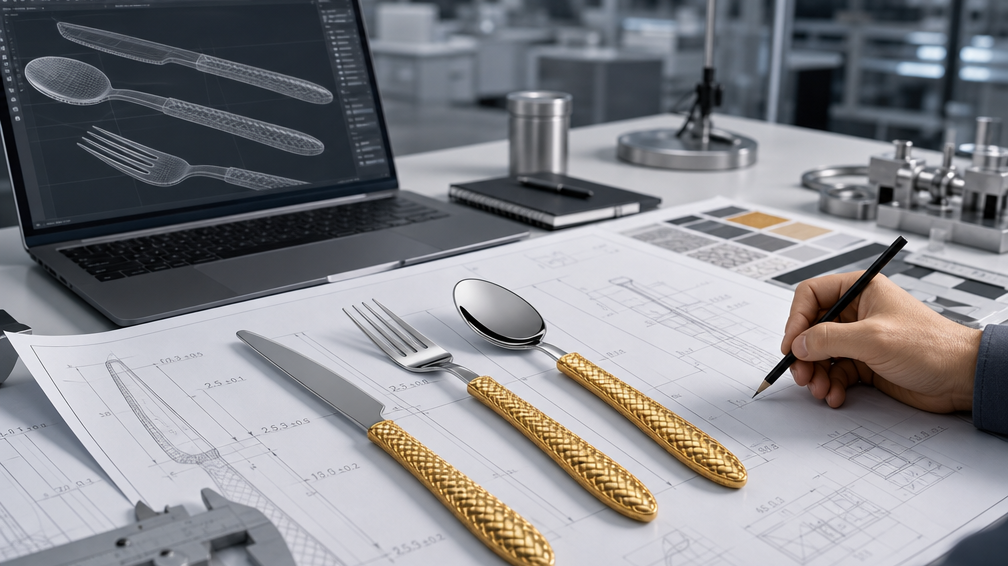
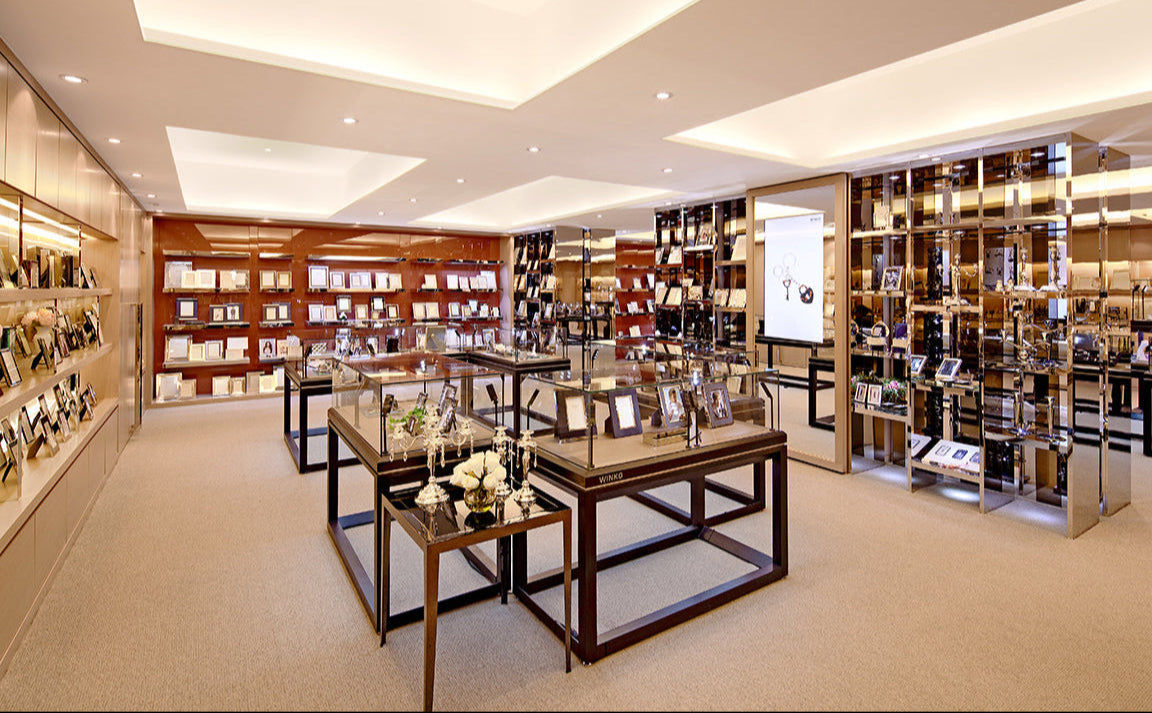
Polishing and plating for metal giftware — consistent gold tone plating across production batch
What to Ask a Manufacturer About Finish
- What finish do you recommend for how this specific piece will actually be handled, not just how it will look in a photo?
- How does this finish perform over time under repeated handling or washing — do you have examples of aged samples, not just new ones?
- If color or tone consistency matters for our brand, what tolerance do you hold across a production run?
- What's the actual difference in durability between the finish options at different price points — not just the visual difference?
A supplier who can speak specifically to durability tradeoffs, rather than only describing appearance, is generally better positioned to help you avoid a finish decision that looks right in a sample and disappoints in the field.

Getting Finish Right the First Time
Finish decisions made late in a project, or made purely on visual preference without considering use case, are one of the more common sources of buyer disappointment months after a product ships — not because the initial sample looked wrong, but because it stopped looking right sooner than expected. Bringing finish into the conversation early, with actual use case and handling frequency in mind, is a small addition to a brief that prevents a much larger problem later.
If you're planning a metal giftware or tabletop program and aren't sure which finish actually fits how the product will be used, we're glad to walk through the tradeoffs honestly before you commit to a decision that's expensive to reverse once production has started.