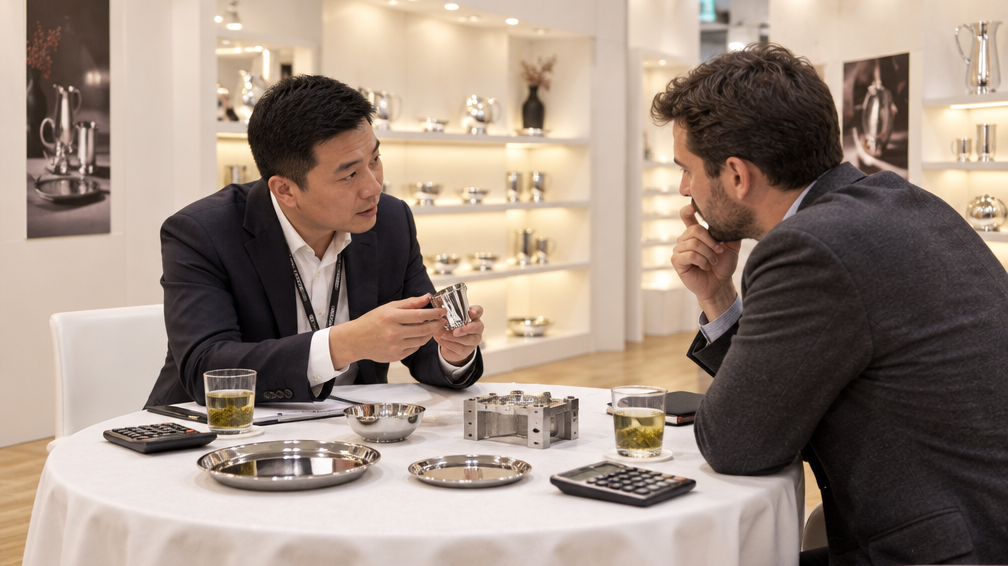


At the Canton Fair, most buyers talk to a dozen or more metal factories in a single day. That pace is efficient for covering ground, but it also means the same friction points show up again and again — not because buyers are asking bad questions, but because the fair format itself doesn't leave much room to work through them properly at any single booth.
Here are the three problems we see most often in Canton Fair metal factory sourcing conversations, and what actually helps resolve them — whether you're talking to us or anyone else on the floor this year.
Problem 1: MOQ Mismatch
A buyer walks up with a target order size in mind, gets a minimum order quantity quoted that doesn't match, and either walks away thinking the factory isn't a fit or accepts a volume that doesn't actually suit their program. This happens constantly at the fair, partly because MOQ isn't usually printed anywhere visible — it comes up only once a conversation actually starts, by which point a buyer may already be moving toward the next booth.
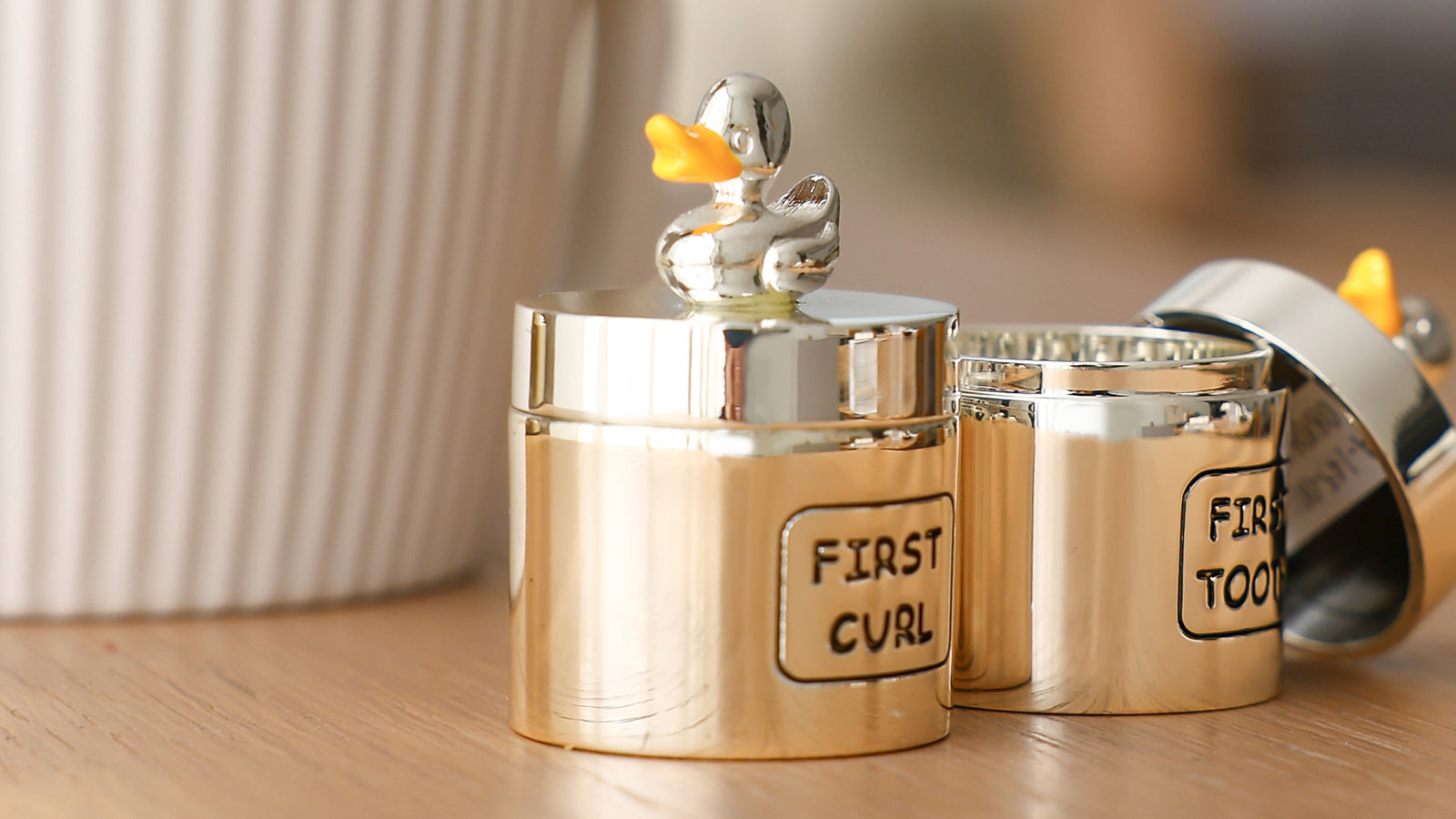
What actually helps: ask about MOQ flexibility specifically, not just the headline number. Many manufacturers set a standard MOQ for planning purposes but have more flexibility than that number suggests — particularly for buyers willing to discuss a semi-custom approach, a smaller pilot run before a larger commitment, or a slightly different product spec that uses tooling the factory already has on hand. The headline MOQ is a starting point for a conversation, not necessarily a fixed wall.

Problem 2: Vague Finish Expectations Leading to Inconsistent Quotes
A buyer describes a finish in general terms — "premium," "high-end," "like brushed metal" — to five different factories in a row, and gets back five quotes that vary significantly, without an obvious way to compare them apples-to-apples. This isn't because factories are being inconsistent for no reason; it's because descriptive language genuinely gets interpreted differently by different production lines, and each quote reflects a different assumption about what "premium" actually means in practice.
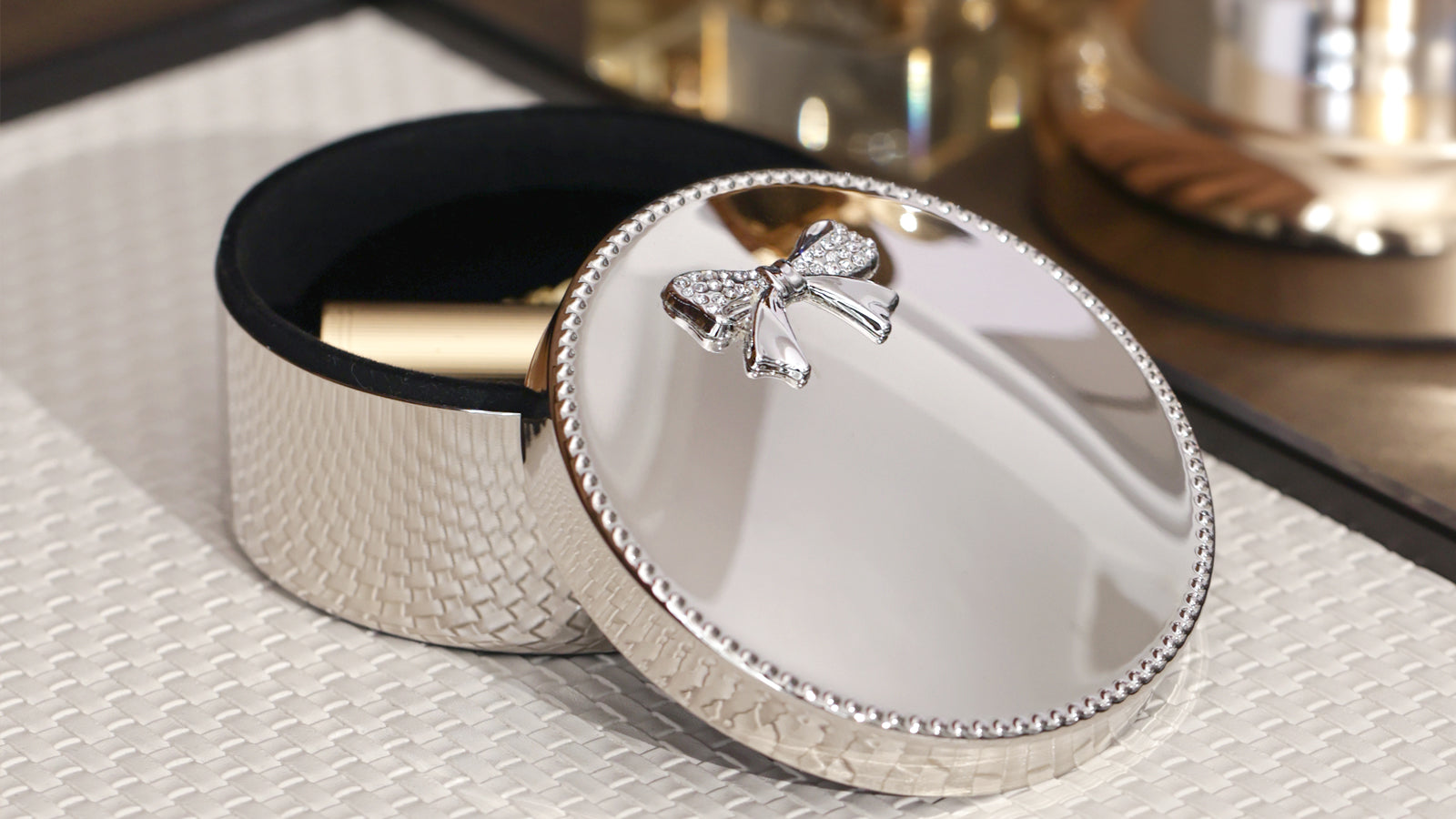
What actually helps: bring a physical reference if you can — even a photo on your phone of a finish you like is far more useful than a verbal description. If you don't have one, ask each factory to show you their own finish samples on the spot rather than quoting blind, so you're comparing quotes against a shared, specific reference rather than five different interpretations of the same adjective. This single change makes booth-to-booth comparison dramatically more reliable.

Problem 3: Lead Time Expectations Based on the Wrong Product Category
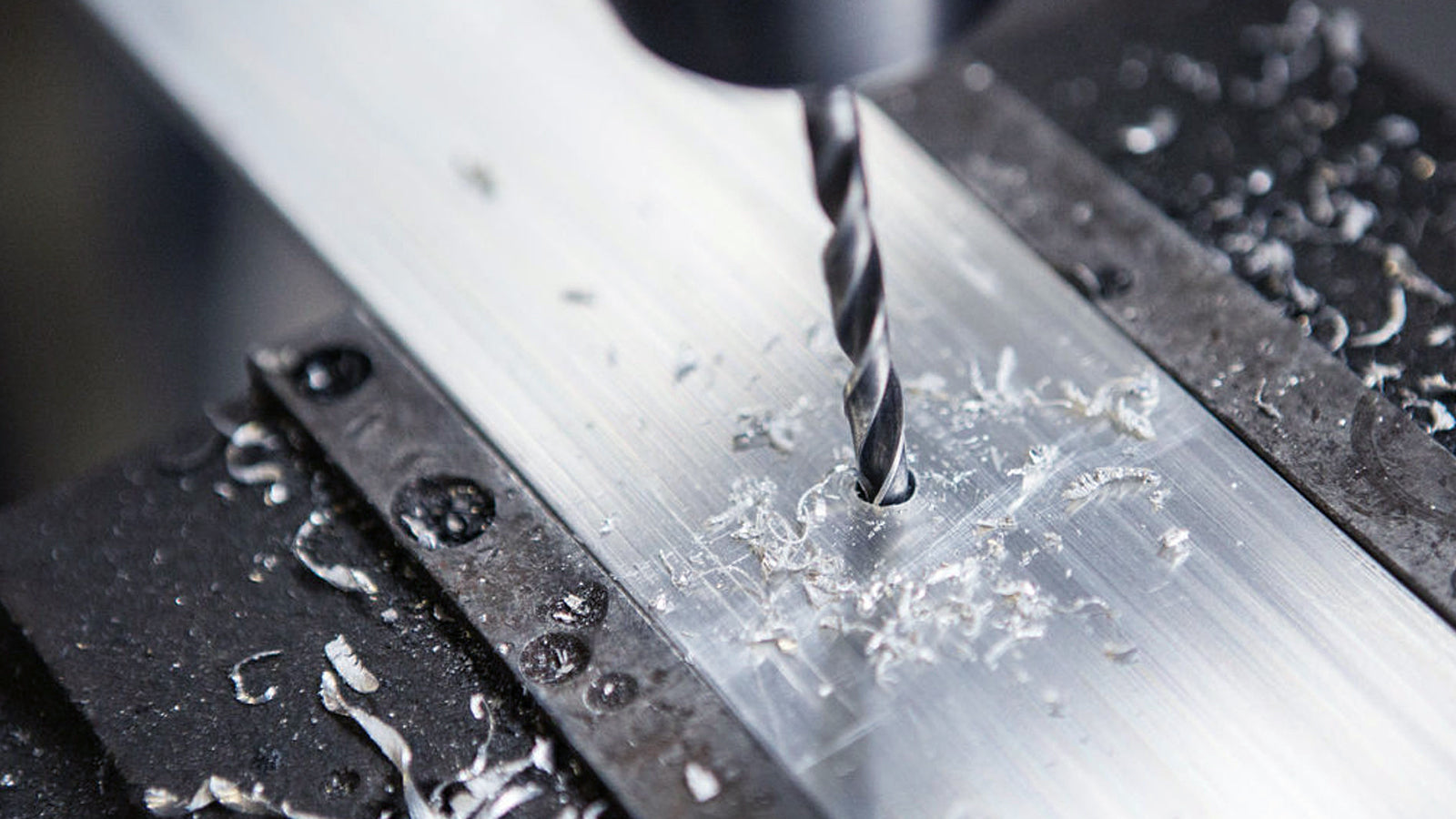
Buyers sourcing across multiple categories at the fair sometimes carry lead time expectations from a different, faster-turnaround product type into a metal giftware conversation. They are caught off guard when tooling and production timelines run longer. This isn't a sign that a metal factory is slow — tooling development for custom metal parts is a genuinely different process than sourcing from an existing catalog or a category with minimal tooling requirements.
What actually helps: ask specifically whether your product requires new tooling or can use an existing die, since that distinction alone often explains most of the lead time difference between quotes. If your timeline is tight, ask directly whether a semi-custom approach using existing tooling could meet your deadline, even if it means accepting a slightly less unique design in the short term.

Why These Three Keep Coming Up
All three problems share a common root: the Canton Fair format rewards fast, broad conversations, but sourcing decisions that hold up long-term usually need a slower, more specific conversation than a busy show floor naturally provides. None of these are failures on the buyer's part — they're just the predictable result of trying to make good decisions quickly across many booths in a short window.
The fix isn't to slow down your whole show schedule. It's knowing which three questions are worth the extra two minutes at each booth that actually matter to you: MOQ flexibility, a shared physical reference for finish, and whether your product needs new tooling. Those three questions surface most of what actually differentiates one quote from another.

Meeting Us at This Year's Fair
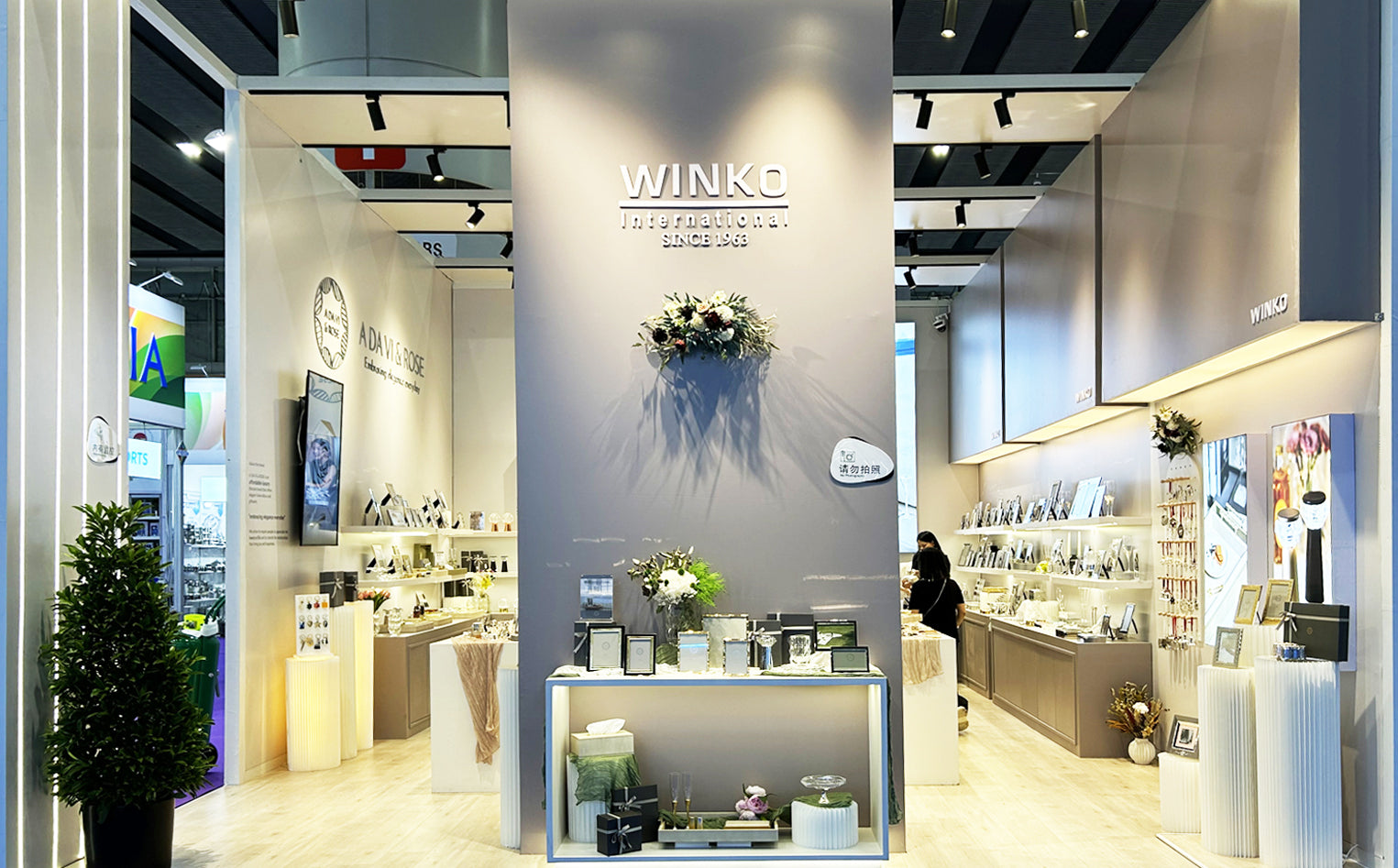
We'll be at this year's Canton Fair, and we're glad to work through these exact questions with you directly — MOQ flexibility for your specific volume, finish samples you can compare against your own reference, and an honest read on tooling and lead time for your design. If you'd like to make sure we have dedicated time for your visit rather than a passing conversation, reach out in advance to schedule a slot.