
Two weeks ago, we covered stamping. Last week, die-casting. This week, the question that actually matters for buyers: what happens when you choose the wrong one — and what changes when you get it right?

The answer shows up in the final product. In the weight of a logo element that should feel substantial but doesn't. In the per-unit cost of a tray that was die-cast when it should have been stamped. In the lead time of a project that ran six weeks longer than it needed to because the tooling decision was made too late.
Here are three cases where the process choice made the difference — and what each one means for buyers briefing their next metal giftware project.
Case 1: The Corporate Gift Set That Needed a Better Logo
Brief:
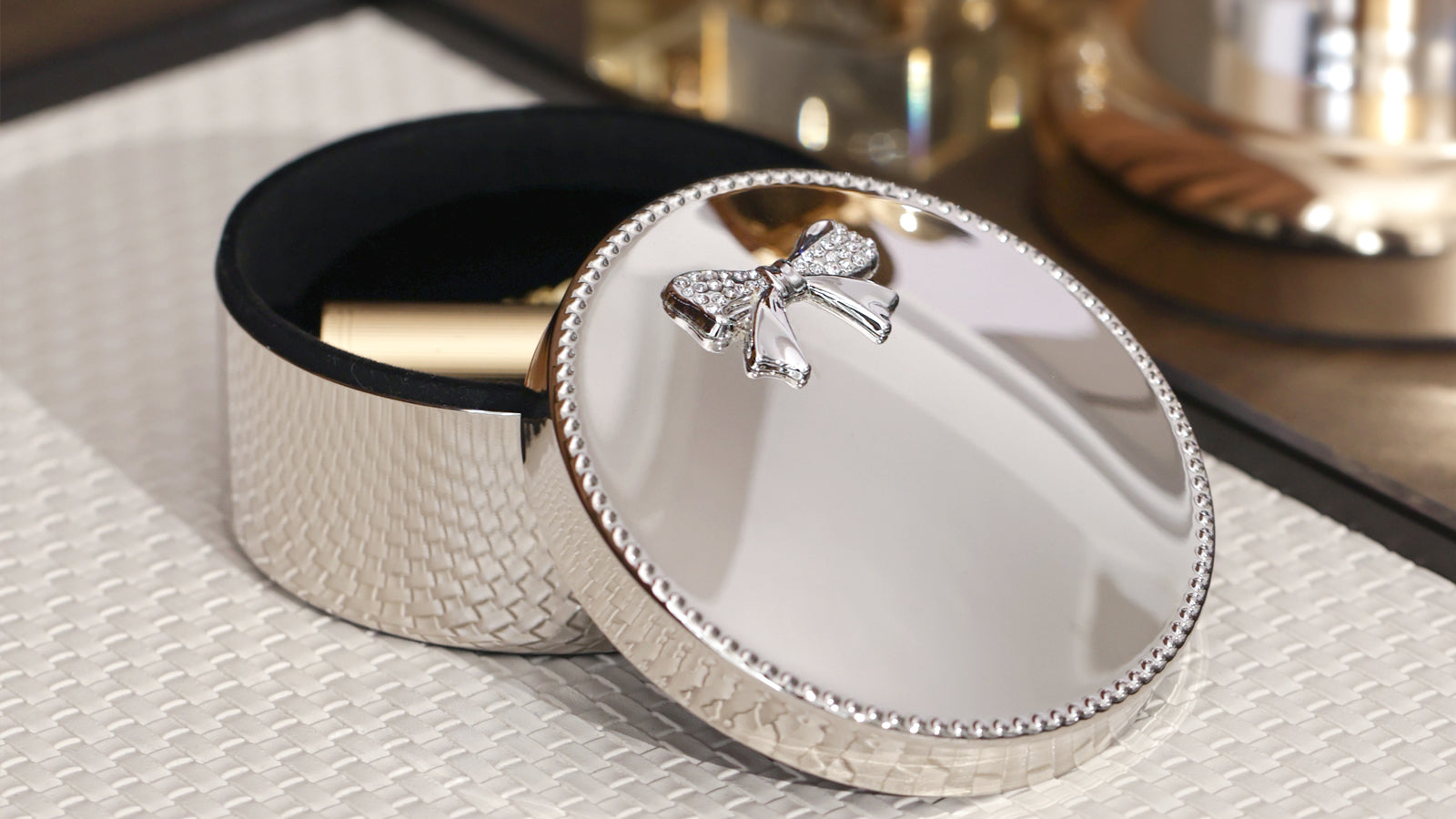
A European corporate gifting buyer came to Winko with a brief for a premium metal trinket box — to be produced in quantities of 2,000 units for a Q4 client appreciation programme. The design included the client's brand logo on the lid, intended to sit proud of the surface with clear depth and definition.

Original process:
The buyer's previous supplier had produced the logo using stamping — pressing the brand mark into the metal surface as an embossed detail. The result was a logo that was visible but flat. Under direct light it read clearly; in softer lighting or from an angle, it almost disappeared. The client had accepted it, but it wasn't what the brand had specified.
Process change:
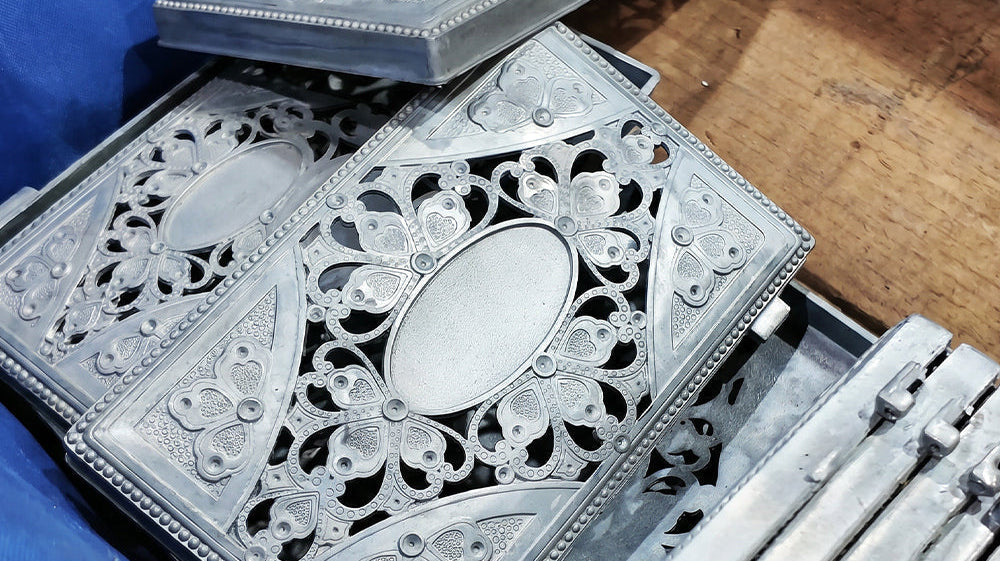
Winko's design team recommended switching the logo element to a separate die-cast component, applied to the stamped box lid as decorative hardware. The die-cast logo — produced in the brand's precise geometry — sat 3mm proud of the surface with sharp edges and consistent depth across every unit.
Result:
The final product matched the brand's visual identity at the level a premium corporate gift requires. The per-unit cost increased marginally to account for the additional die-cast component, but the buyer's client signed off on reorder within three weeks of delivery — citing the quality of the brand presentation as the primary reason.
Lesson:
Surface embossing and die-cast relief are not the same thing. If a logo needs to communicate brand quality at the level premium corporate gifting demands, die-casting is the process that delivers it.
Case 2: The Hotel Tray That Was Costing Too Much to Produce
Brief:
A Middle East hospitality procurement team was sourcing serving trays for a new F&B rollout — 5,000 units across multiple outlet locations, with a consistent finish and a tight per-unit budget.

Original process:
The trays had previously been produced using die-casting — a legacy decision from an earlier product iteration that had included a complex decorative handle requiring die-cast geometry. The handle design had since been simplified, but the production process hadn't been updated to reflect it.
Process change:
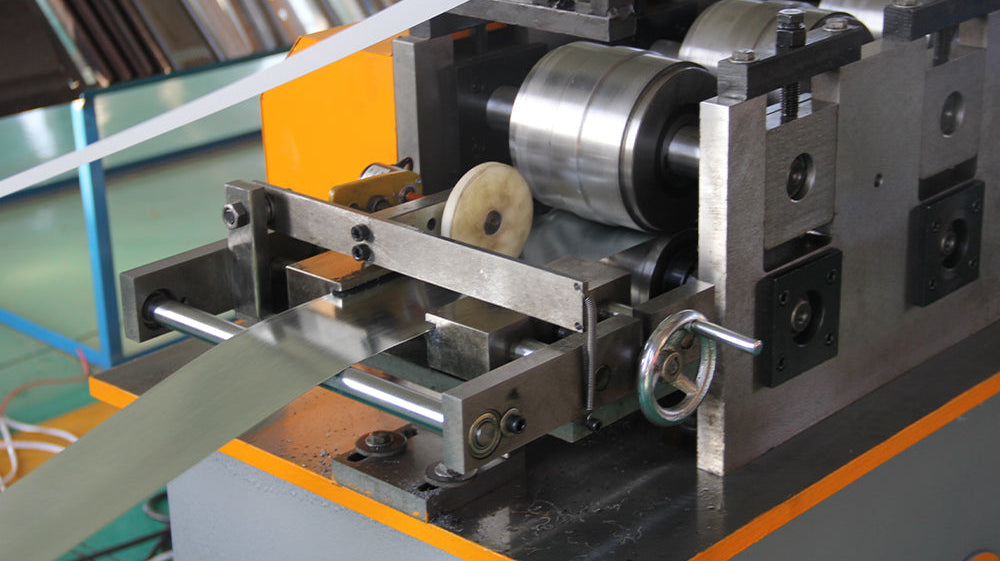
Winko's production team assessed the current tray design and identified that the simplified handle could be produced as a stamped and formed component without any loss of visual or functional quality. Switching the tray body and handle to stamping reduced tooling complexity, shortened the production cycle, and brought the per-unit cost within the procurement team's budget — without changing the tray's appearance or finish specification.
Result:
The 5,000-unit order was delivered four weeks ahead of the original die-casting timeline, at a per-unit cost 18% lower than the previous production run. The procurement team has since standardised the stamped specification across their tabletop programme.
Lesson:
Die-casting is the right process for complexity. When complexity has been removed from a design, the production process should follow. Buyers who inherit a manufacturing specification from a previous supplier should always ask whether the process still fits the current design.
Case 3: The Retail Gift Set That Needed Both
Brief:
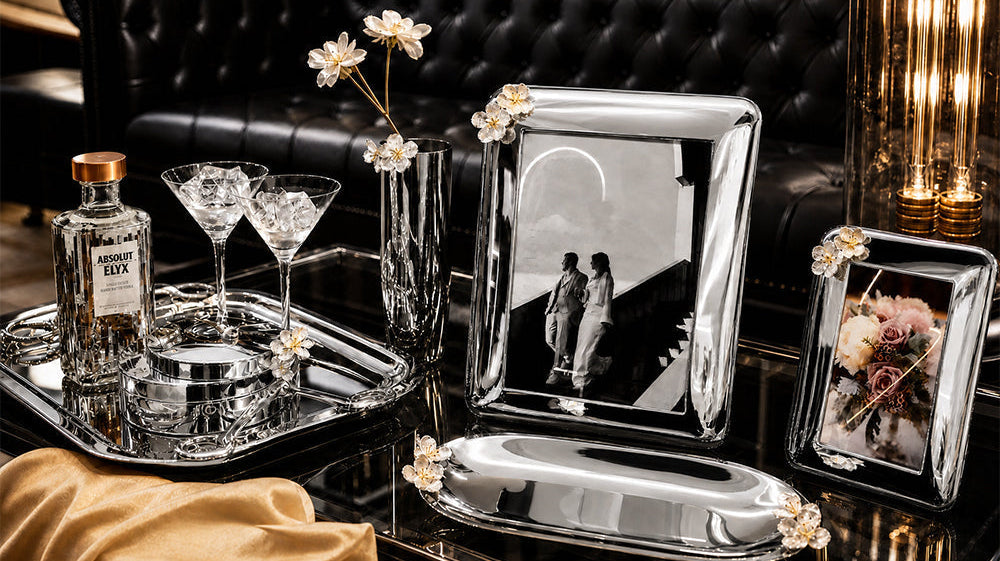
A UK lifestyle retailer was developing a coordinated gift set for their premium home range — a trinket box, a photo frame, and a small serving tray, intended to retail as a set and display as a coordinated tabletop grouping.

Challenge:
The retailer wanted the set to feel cohesive — same finish, same visual language — but the design intent for each piece was different. The tray and frame needed clean, consistent flat forms that would display well on a shelf. The trinket box needed a decorative lid embellishment with genuine three-dimensional depth to justify its position as the premium hero piece of the set.
The process:
Winko proposed a combined approach — stamping for the tray body, frame profile, and trinket box body, and die-casting for the lid embellishment on the trinket box. The stamped components delivered the dimensional consistency and surface quality the retailer needed across the display grouping. The die-cast embellishment gave the trinket box the tactile and visual distinction that positioned it as the set's hero piece.
Result:
The coordinated set launched as planned, with the trinket box performing as the strongest individual seller within the set — driving repeat purchase of the tray and frame as customers returned to complete their grouping. The combined stamping and die-casting approach kept per-unit costs within the retailer's ranging budget while delivering the quality differential the product hierarchy required.
Lesson:
The most effective premium giftware sets often use both processes — stamping for structural consistency, die-casting for the detail that creates perceived value hierarchy within a range. Briefing for a mixed-process approach from the start is more efficient than discovering the need for it at the prototype stage.
What These Cases Have in Common
Three different buyers, three different applications, three different process decisions. But the pattern is consistent:
The buyers who got the best outcomes were the ones who engaged with the process question early — at the brief stage, before tooling was committed and timelines were set.

The buyers who encountered problems had inherited a process decision from a previous production run, or had left the decision to the manufacturer without communicating the design intent clearly enough for the right recommendation to be made.
Process choice isn't a technical detail to be sorted out after the design is finalised. It's a design decision — one that affects how the product looks, how it feels, how long it takes to produce, and what it costs to make.
What This Means for Your Next Brief
Whether your project calls for stamping, die-casting, or a combination of both, the brief elements that help us make the right recommendation are consistent:
Communicate design intent, not just specifications. A dimension tells us the size. A reference image or description of the intended feel tells us which process will get you there.
Flag the elements that matter most. If the logo is the most important quality signal in the product, tell us. If the per-unit cost is the primary constraint, tell us. The process recommendation changes depending on which variables are fixed and which have flexibility.
Ask about process before tooling is committed. The easiest point to change a process decision is before the die is cut. After tooling is made, the options narrow significantly.

Next Week: Stainless Steel Tabletop
The process principles covered in the past three weeks — stamping for consistency and scale, die-casting for depth and detail — apply directly to one of the strongest performing product categories in premium F&B and hospitality procurement: stainless steel tabletop.
Next week, we'll look at Winko's stainless steel tabletop line — serving trays, coaster and tabletop accessories — and why stainless steel is winning in hotel, café, and corporate dining environments where durability, hygiene, and aesthetic consistency all matter.
Ready to Discuss Your Process Brief?
Whether you're developing a new product from scratch or reviewing a specification inherited from a previous supplier — the conversation starts with a quote request.
Get your quote directly on our website.