Some metal giftware products are defined by their surface. Others are defined by their form. For products where the design intent lives in three-dimensional depth — a sculptural handle, a brand logo in relief, a complex decorative emblem, a figurine with precise detail — stamping reaches its limit. The process that takes over is die-casting.

Die-casting is the manufacturing technique behind some of the most visually complex and tactilely distinctive pieces in premium metal giftware. Understanding when to specify it — and why — is one of the more important decisions a buyer or product developer makes when briefing a new project.
What Is Die-Casting?
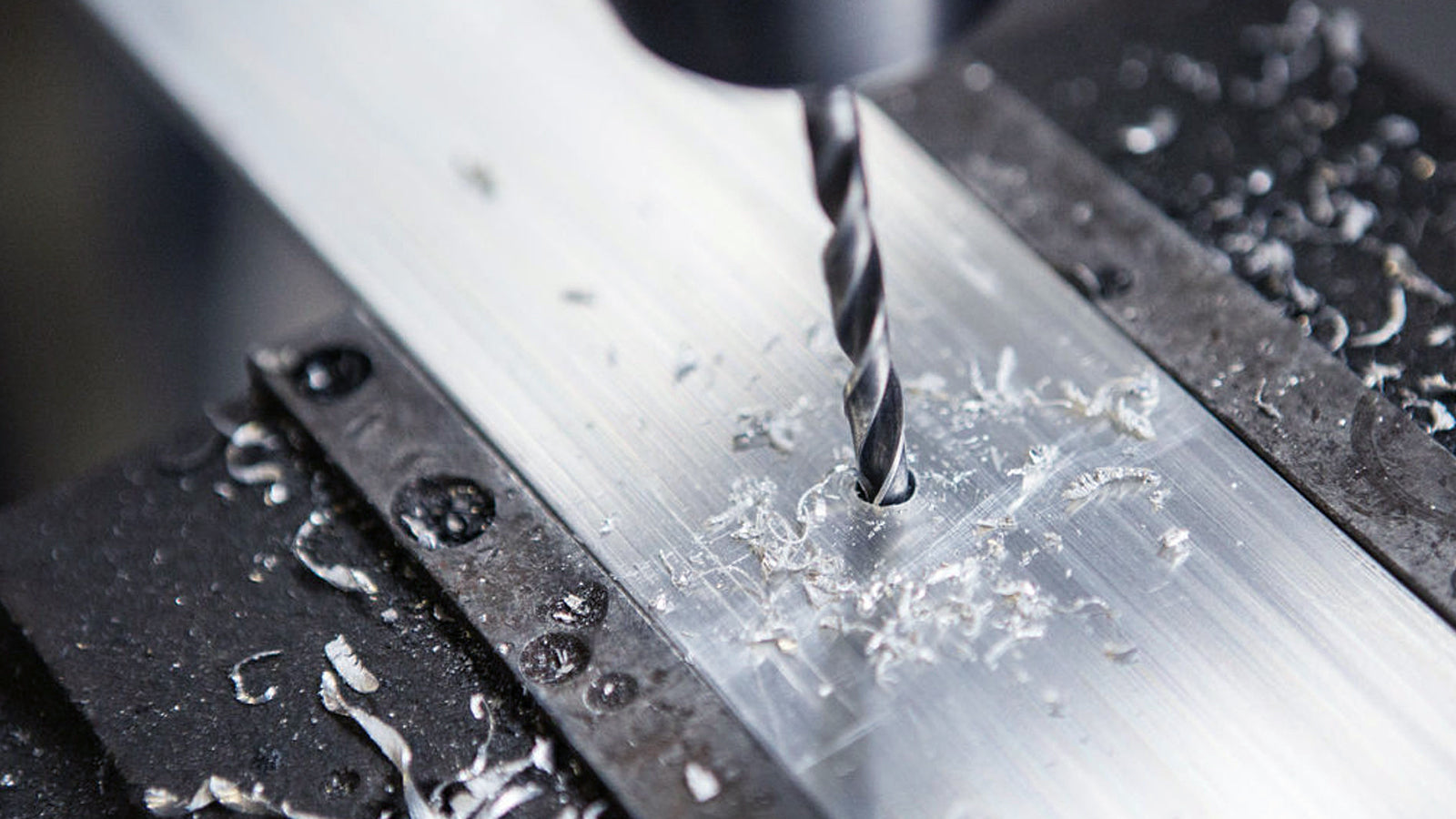
Die-casting is a manufacturing process in which molten metal is injected under high pressure into a precision-machined mould cavity. When the metal cools and solidifies, it takes the exact shape of the mould — including fine surface detail, sharp edges, complex geometry, and three-dimensional form that would be impossible to achieve by pressing flat sheet metal.

At Winko, advanced die-casting techniques allow us to craft high-quality metal products with smooth surfaces, sharp details, and excellent durability — delivering the dimensional accuracy and surface quality that premium giftware and luxury brand applications demand.
The moulds used in die-casting are precision-machined steel tools that can reproduce the same complex form thousands of times with minimal variation. This combination of geometric complexity and production consistency is what makes die-casting the process of choice for the most demanding applications in the giftware category.
Where Die-Casting Excels
Three-dimensional form and depth
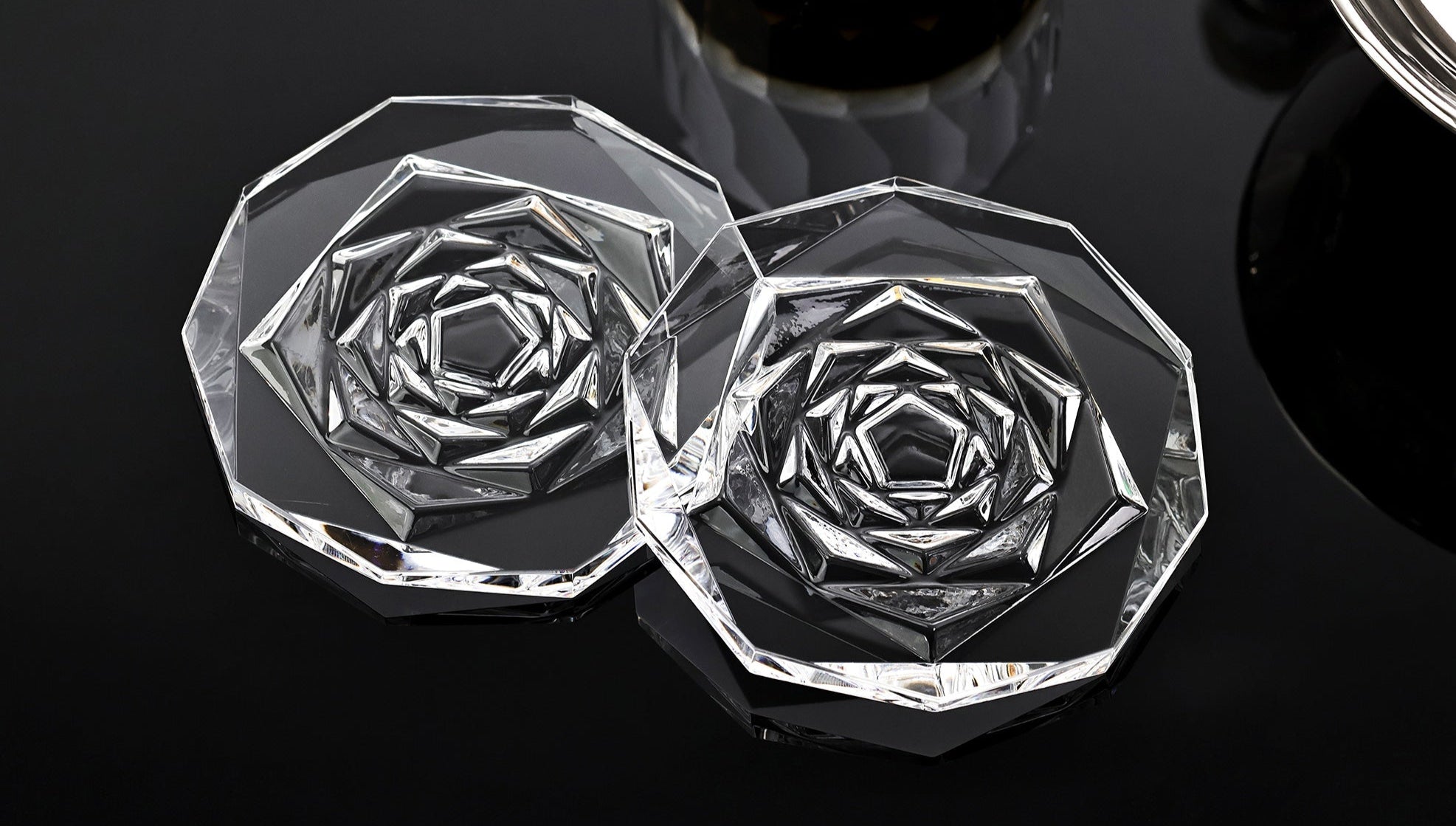
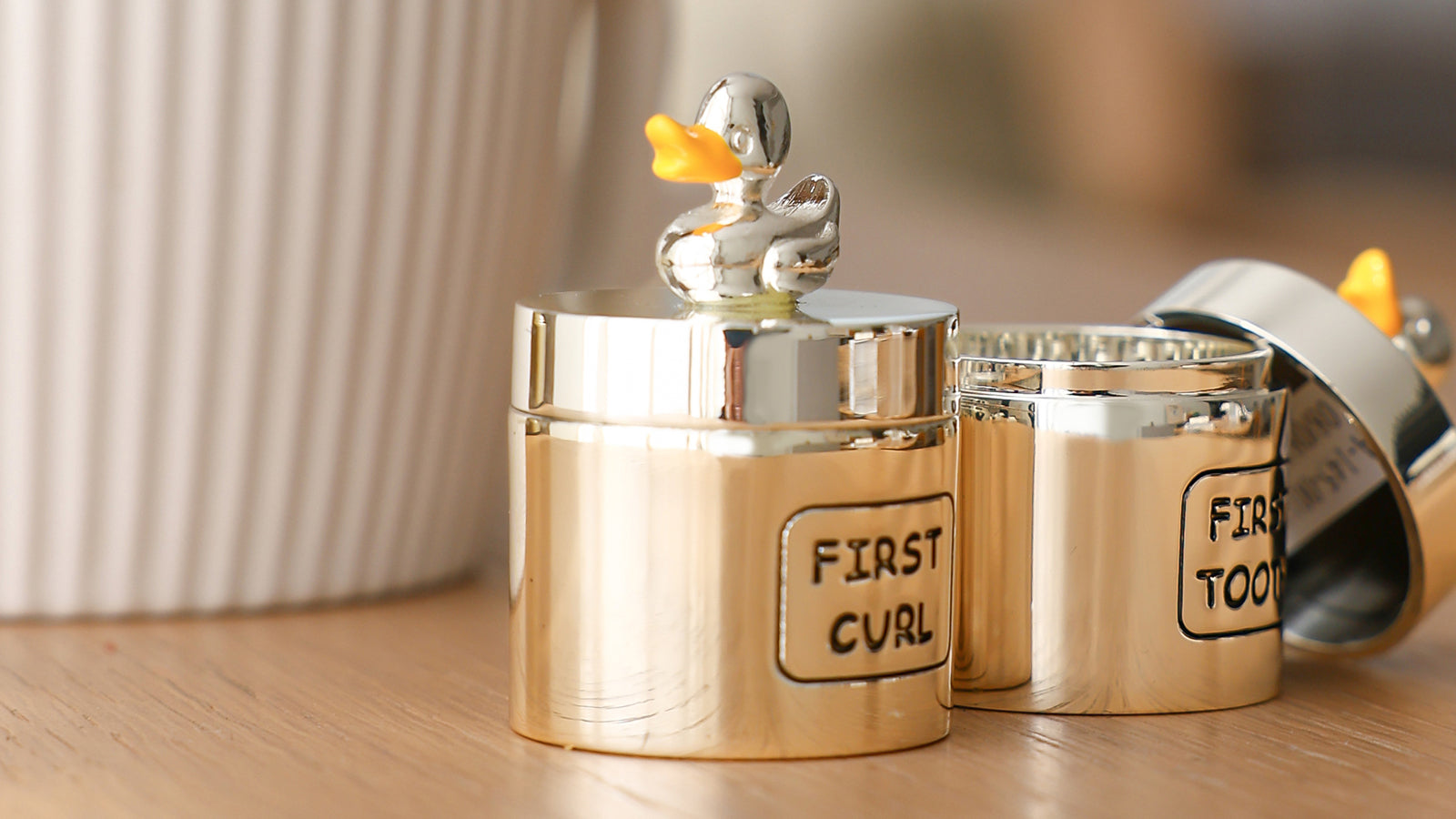
Die-casting's defining advantage is its ability to produce genuine three-dimensional geometry — not surface texture applied to a flat form, but actual depth, volume, and structural complexity. A handle with an ergonomic profile. A decorative emblem with layered relief. A figurine with precise facial or structural detail. These forms require die-casting.

Brand logos and identity elements in relief
For luxury and premium brands, the physical representation of a logo or brand mark on a product is a quality signal that carries significant weight. Die-cast logo elements — applied as decorative hardware, lid embellishments, or integrated product features — reproduce brand geometry with the sharpness and consistency that a premium brand identity requires.
This is why die-casting is specified by leading luxury brands for their metal giftware and packaging hardware. The process delivers a logo element that looks and feels like the brand — not an approximation of it.
Complex decorative parts and emblems
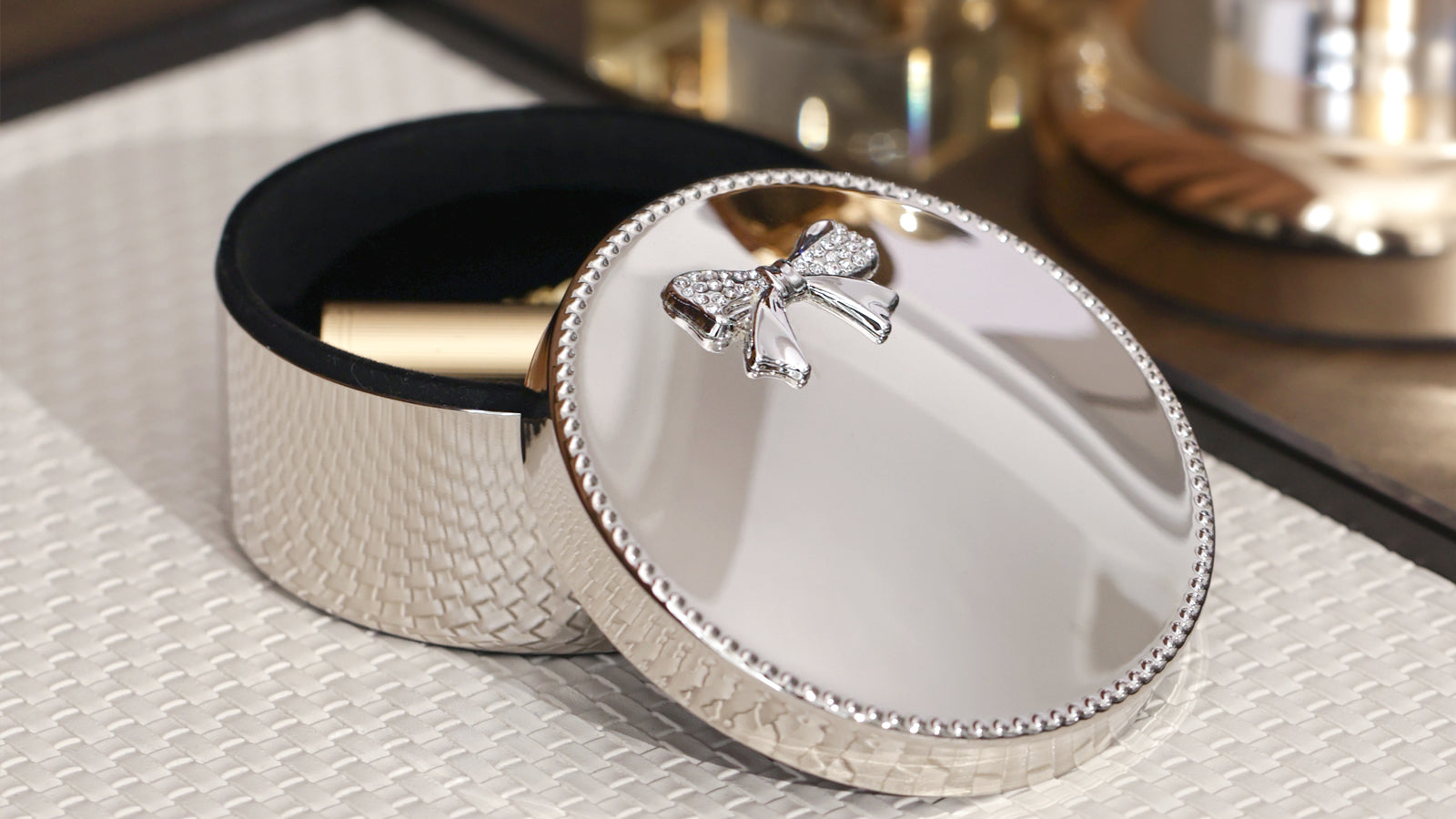
Decorative hardware — the kind that appears on premium gift boxes, trophy components, commemorative pieces, and high-end retail packaging — typically requires die-casting. The combination of complex geometry, fine surface detail, and structural integrity that these pieces demand goes beyond what stamping or fabrication can reliably deliver.
Handles, hinges, and functional hardware
Functional metal components that need to withstand repeated use — handles, hinges, clasps, and structural connectors — benefit from die-casting's material density and dimensional precision. A die-cast handle has the weight, the feel, and the durability that signals quality to an end user in a way that a stamped equivalent rarely achieves.

Figurines and sculptural pieces
Three-dimensional figurines, decorative sculptures, and commemorative pieces are among the most technically demanding applications in metal giftware. Die-casting is the process that makes them possible at production scale — reproducing complex sculptural forms with consistent detail across runs of hundreds or thousands of units.
Die-Casting vs Stamping: The Key Differences
| Feature | Stamping | Die-Casting |
|---|---|---|
| Starting Material | Flat metal sheet | Molten metal |
| Best For | Flat and formed shapes | Three-dimensional forms |
| Surface Detail | Texture and embossing | Sharp relief, logos, complex geometry |
| Tooling Cost | Lower | Higher |
| Per-unit Cost at Volume | Very efficient | Efficient at scale |
| Lead Time | Shorter | Longer |
| Typical Applications | Trays, frames, coasters, tags | Handles, logos, emblems, figurines |

What Die-Casting Looks Like in Practice
The range of products that benefit from die-casting is broad — but the common thread is always the same: the design intent requires something that flat metal cannot deliver.
- Trophy and award components — bases, figurative elements, and decorative hardware that need to communicate permanence, prestige, and craft.
- Premium gift box hardware — clasps, hinges, corner pieces, and logo plates that elevate packaging from functional to experiential.
- Decorative handles and pulls — boxes, bags, and gift packaging where the hardware is part of the brand expression, not just a functional element.
- 3D brand emblems and logo applications — where a brand mark needs to be reproduced in metal with the sharpness and depth that reflects the brand's quality positioning.
- Commemorative and collectible pieces — figurines, medallions, and sculptural items produced for limited editions, corporate milestones, or collector programmes.

Why Manufacturing Capability Matters
Die-casting capability varies significantly between manufacturers. The quality of the mould, the precision of the injection process, the post-casting finishing — each stage affects the final product's surface quality, dimensional accuracy, and durability.

Winko's die-casting facility has supplied components and finished products to luxury and premium brands including Wedgwood, Vera Wang, and Ralph Lauren — clients whose quality standards are among the most exacting in the giftware industry. The precision, surface consistency, and production reliability those relationships demand is the standard we apply to every project, regardless of order size.
For buyers developing products that require die-casting, the question to ask a manufacturer isn't just "can you die-cast?" It's "what have you die-cast, for whom, and at what standard?"
Specifying Die-Casting in Your Brief
When submitting a project that includes die-cast components, the brief elements that matter most are:
- Form and geometry — reference images, sketches, or 3D files that communicate the intended shape and depth. The more precisely the form is communicated, the more accurately we can assess tooling requirements and production feasibility.
- Surface finish — die-cast surfaces can be finished to a wide range of specifications, from high-polish electroplating to matte lacquer and antique treatments. Finish direction affects both the visual outcome and the post-casting processing required.
- Volume — die-casting tooling involves a higher upfront investment than stamping dies. Understanding your volume requirement allows us to assess whether the tooling investment is justified and how it affects per-unit pricing.
- Integration with other components — if the die-cast element is part of a larger product that includes stamped, fabricated, or other components, communicating how the parts interact helps us design the production process for the best overall outcome.

The Right Process for the Right Product
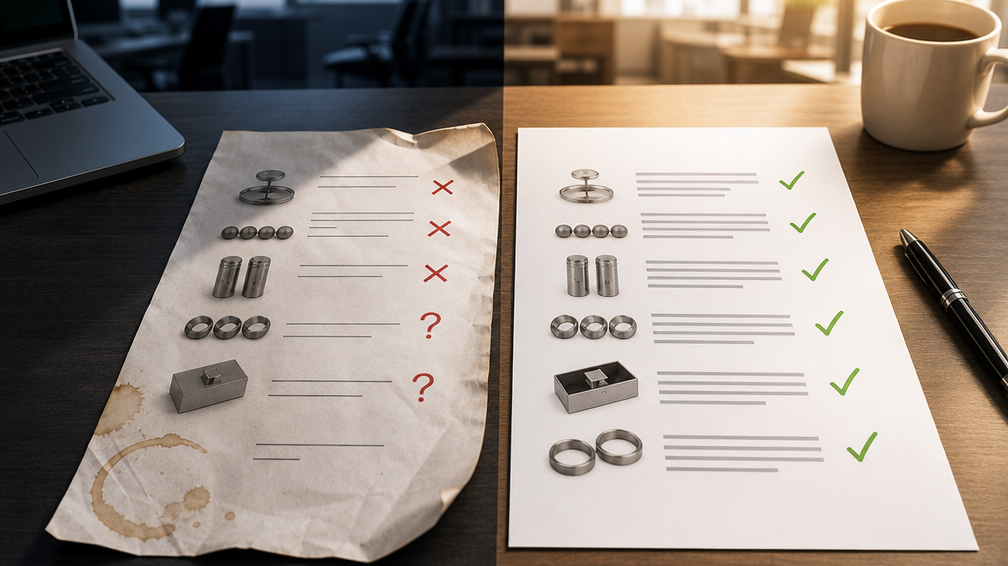
Die-casting and stamping aren't competing choices — they're complementary capabilities that serve different design intents. The products that perform best in premium retail, luxury gifting, and hospitality procurement are often those that use both processes where each one is strongest.
Next week, we'll look at five solutions that help determine the right process for any metal giftware project.
Ready to Discuss a Die-Casting Project?
Whether you're developing a complex decorative piece, a brand logo element, or a product that combines die-cast and stamped components — the conversation starts with a quote request.