If you've ever held a well-made metal serving tray or a flat coaster and wondered how it was produced so consistently — the answer is almost certainly stamping.

Precision stamping is one of the most widely used manufacturing techniques in metal giftware. It's fast, consistent, and capable of producing complex shapes at scale. But like every manufacturing process, it has a specific range of applications where it excels — and others where a different technique would serve the product better.
This guide covers what stamping is, where it wins, where it doesn't, and which product types it's best suited for — so you can make more informed decisions when briefing your next metal giftware project.
What Is Stamping?
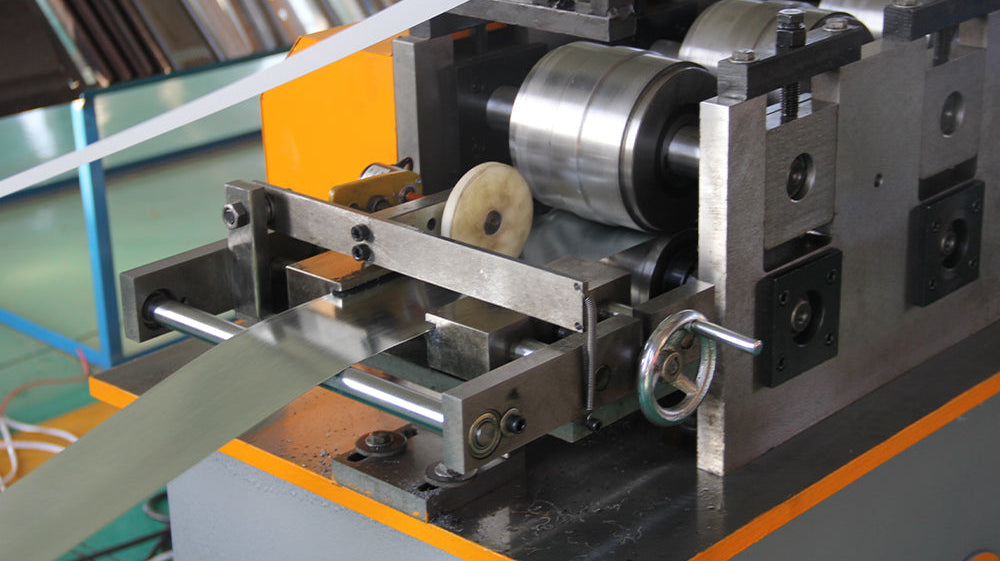
Metal stamping is the process of using a press and a custom-made die to cut, bend, or form flat metal sheets into specific shapes. The metal sheet is fed into the press; the die descends with significant force, and the metal takes the shape of the die — consistently, repeatedly, and at speed.

At Winko, precision stamping technology allows us to create intricate metal shapes with high consistency, making it ideal for mass production of metal components.
The key word is consistency. Once a die is made and the process is set up, every piece that comes off the press is dimensionally identical to the last. For buyers producing hundreds or thousands of units, this repeatability is what makes stamping so valuable.
Where Stamping Wins
High-volume production
Stamping is at its most efficient when producing large quantities of the same component. The setup cost — primarily the tooling and die fabrication — is fixed. Once that investment is made, the per-unit cost decreases significantly as volume increases. For buyers with MOQ requirements in the hundreds or thousands, stamping delivers strong cost efficiency that other processes can't match at scale.

Flat and formed shapes with consistent profiles
Stamping excels at producing shapes that start from flat sheet metal and are formed into consistent profiles — trays, coasters, flat frames, tags, and simple enclosures. Products where the shape is defined by a clean form rather than three-dimensional depth are natural candidates for stamping.
Surface detail and texture at scale
One of stamping's less obvious strengths is its ability to reproduce surface detail consistently across a production run. Embossed patterns, texture profiles, and decorative surface elements can be incorporated directly into the die — meaning every piece carries the same detail, at the same depth, without additional processing steps.
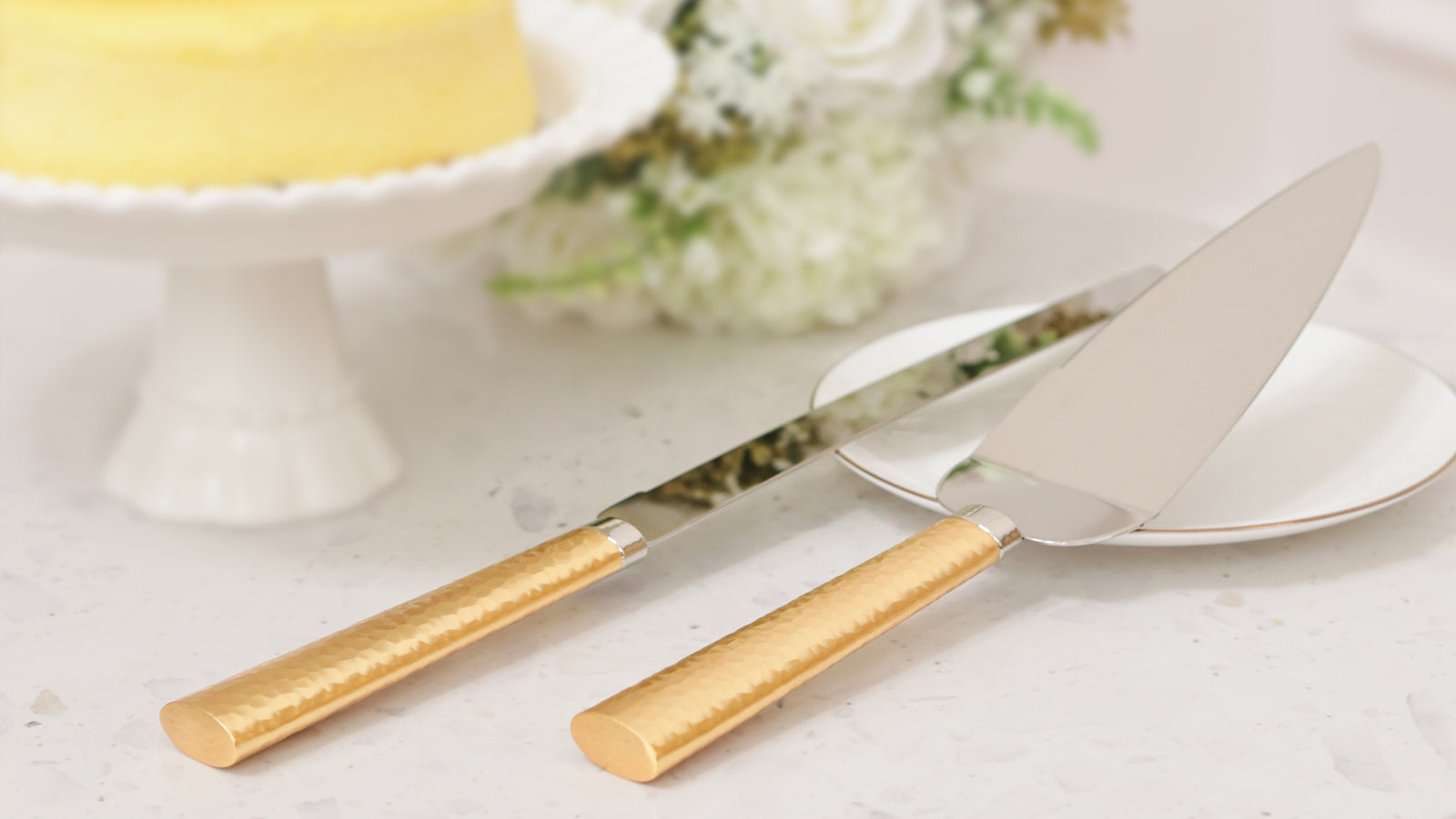
This is how the hammered-texture detailing on Winko Modern Hammered serving trays is achieved — the texture is pressed into the metal surface during stamping, producing consistent depth and definition across every unit in a production run.

Tight dimensional tolerances
For products that need to fit together, stack cleanly, or meet specific dimensional requirements — coasters that stack without rattling, frames with consistent border widths, trays with level bases — stamping delivers the dimensional precision that hand-formed or cast processes struggle to maintain at volume.
Where Stamping Has Limits
Complex three-dimensional forms
Stamping works with flat sheet metal. Products that require significant three-dimensional depth — sculptural elements, complex curved profiles, detailed relief work on multiple axes — are better suited to die casting, which we'll cover separately.
Very small production runs
The fixed cost of die fabrication means stamping is less economical for very small batches. If you're producing a small number of units for a sampling exercise or a limited-edition programme, the tooling investment may not be justified. In these cases, alternative processes or existing tooling may be more appropriate.
Highly intricate three-dimensional detail
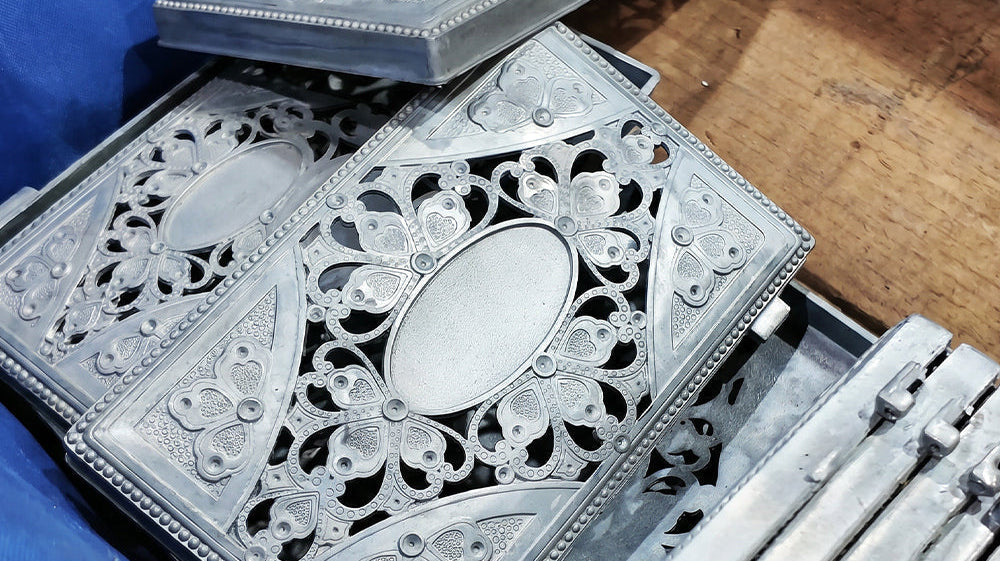
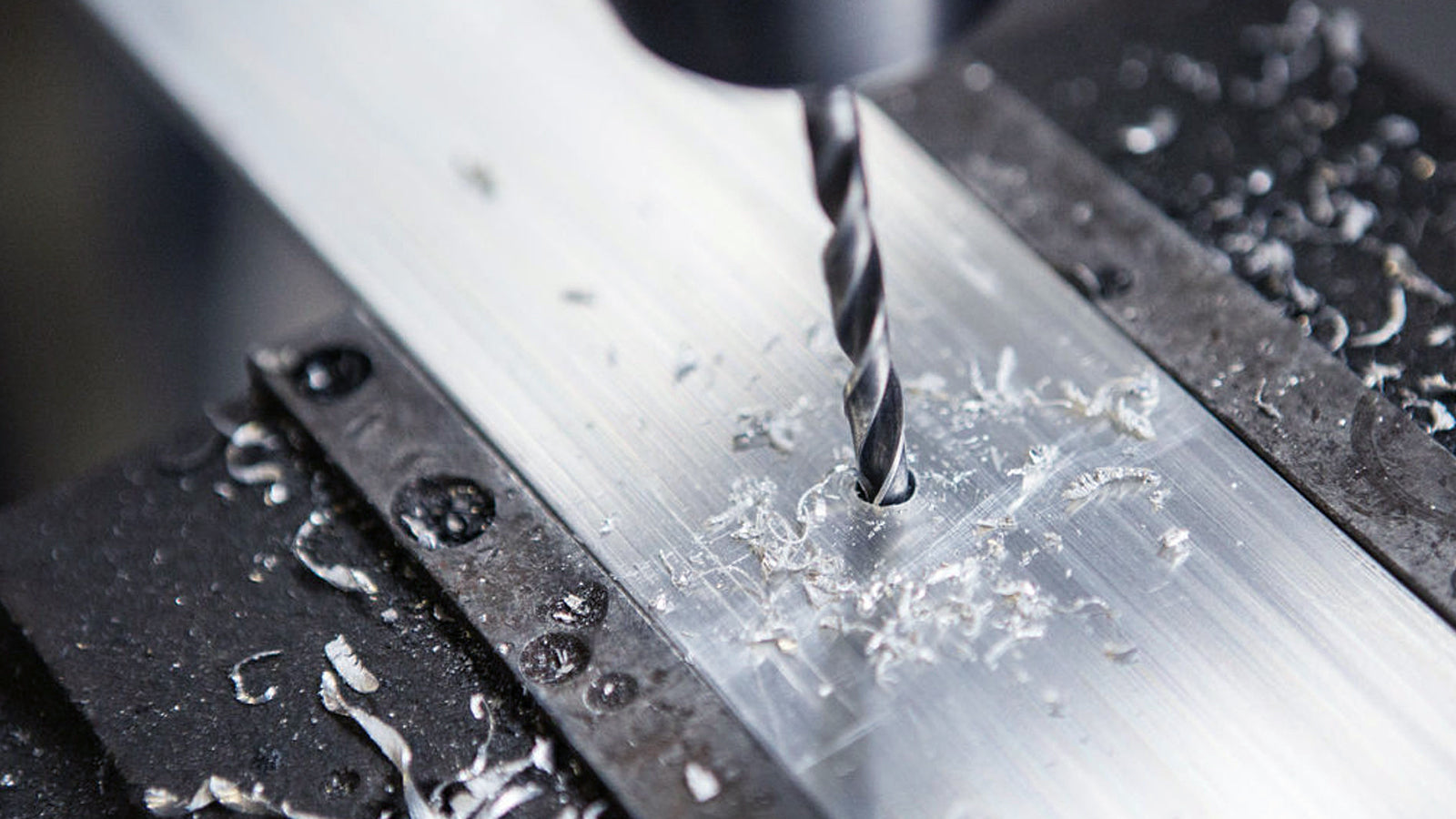
While stamping can reproduce surface texture and embossed detail effectively, products that require deep undercuts, fine three-dimensional relief, or complex internal geometry need the capabilities of die casting or CNC machining rather than stamping.

Products Built for Stamping
Based on Winko's production experience across home décor, wedding, and gifting categories, stamping consistently performs best for the following product types:
Photo frames
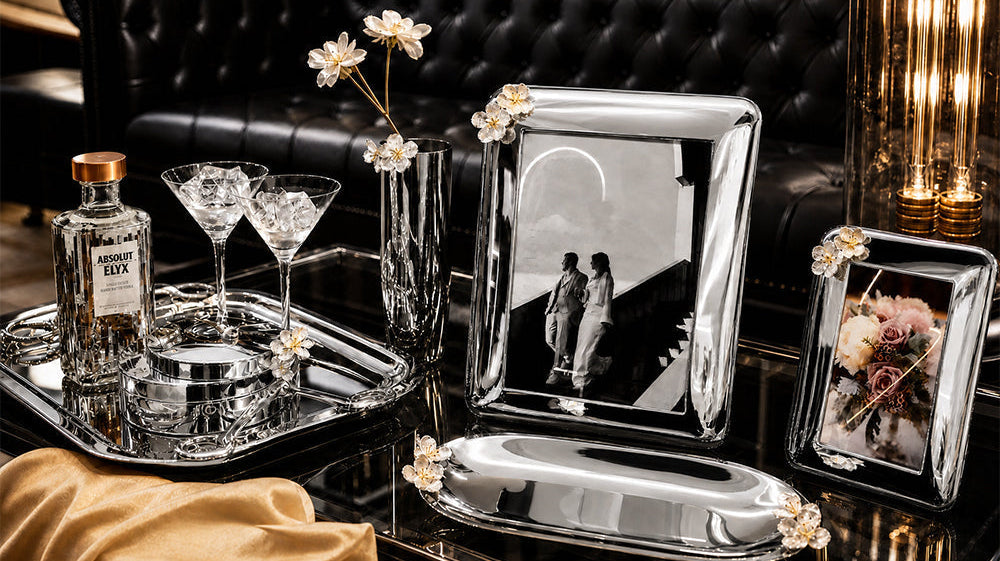
Frame profiles — the flat border, the consistent width, the precise corner geometry — are well-suited to stamping. Surface texture and embossed detail can be incorporated directly, allowing decorative frames to be produced with consistent finish quality at scale.

Serving trays and coasters
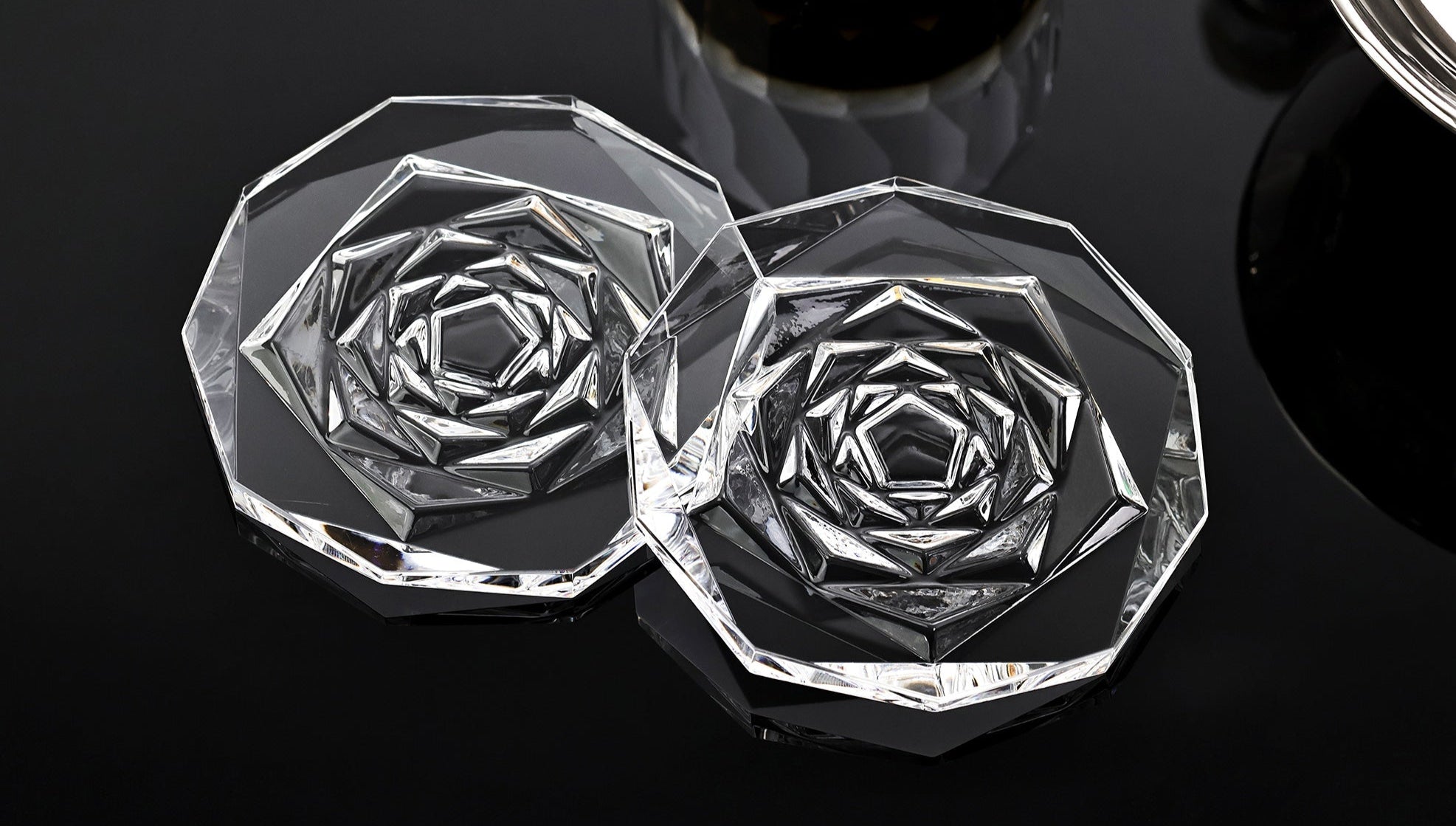
Flat or lipped forms with consistent profiles are ideal candidates for stamping. The process produces clean edges, level bases, and consistent rim profiles across high production volumes — exactly what tabletop and hospitality buyers need when ordering coordinated sets.

Tags, keychains, and decorative ornaments
Metal gift tags, keychains, and seasonal ornaments are among the most efficient stamping applications in the giftware category. The process combines precise cutting with optional surface detail — embossed patterns, texture profiles, or custom shapes — in a high-volume, cost-effective format.
For holiday and seasonal programmes in particular, stamping delivers the consistency that matters most: every ornament in a run carries the same profile, the same surface detail, and the same finish — whether the order is 500 units or 50,000.

Simple enclosures and box components
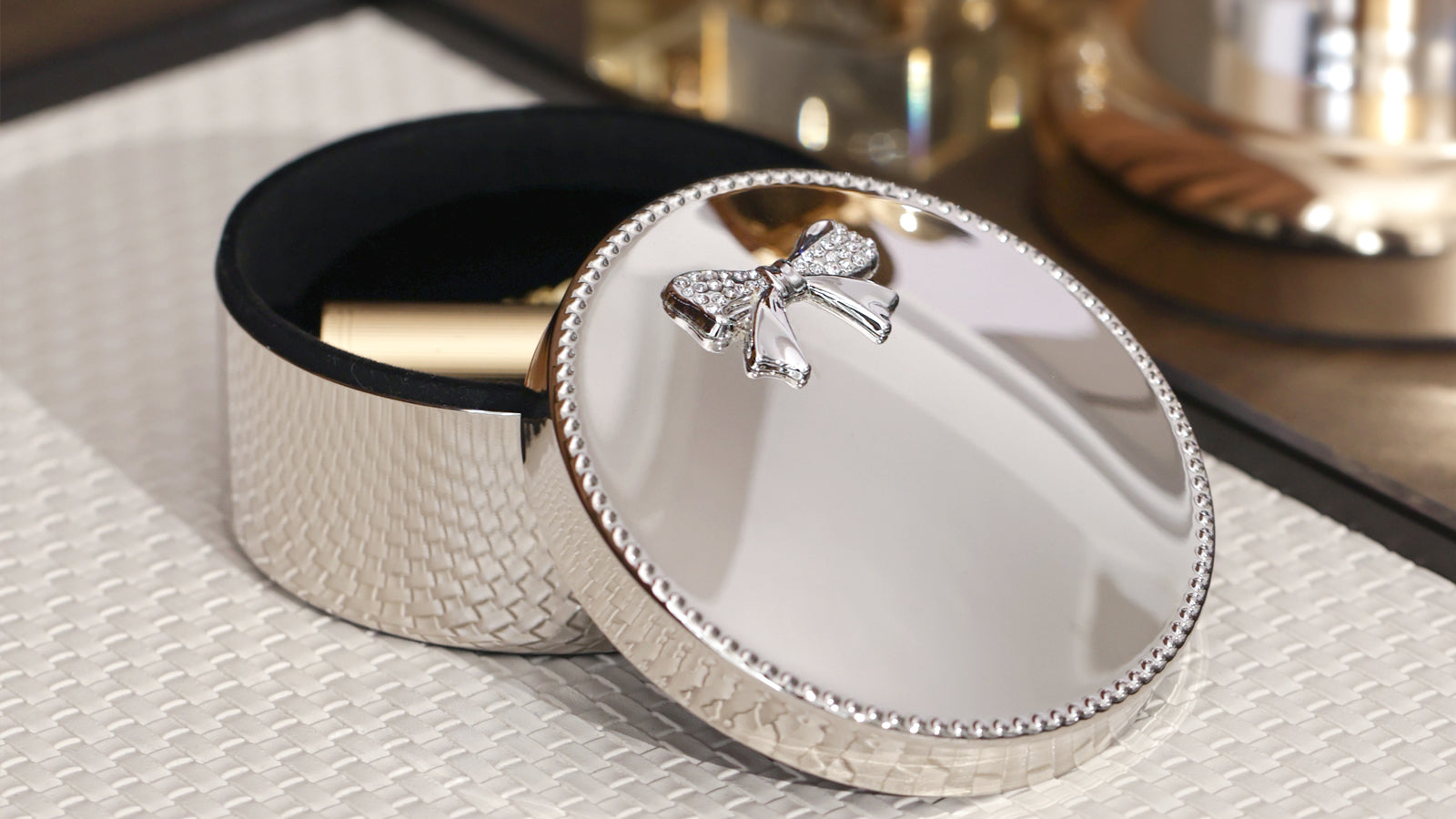
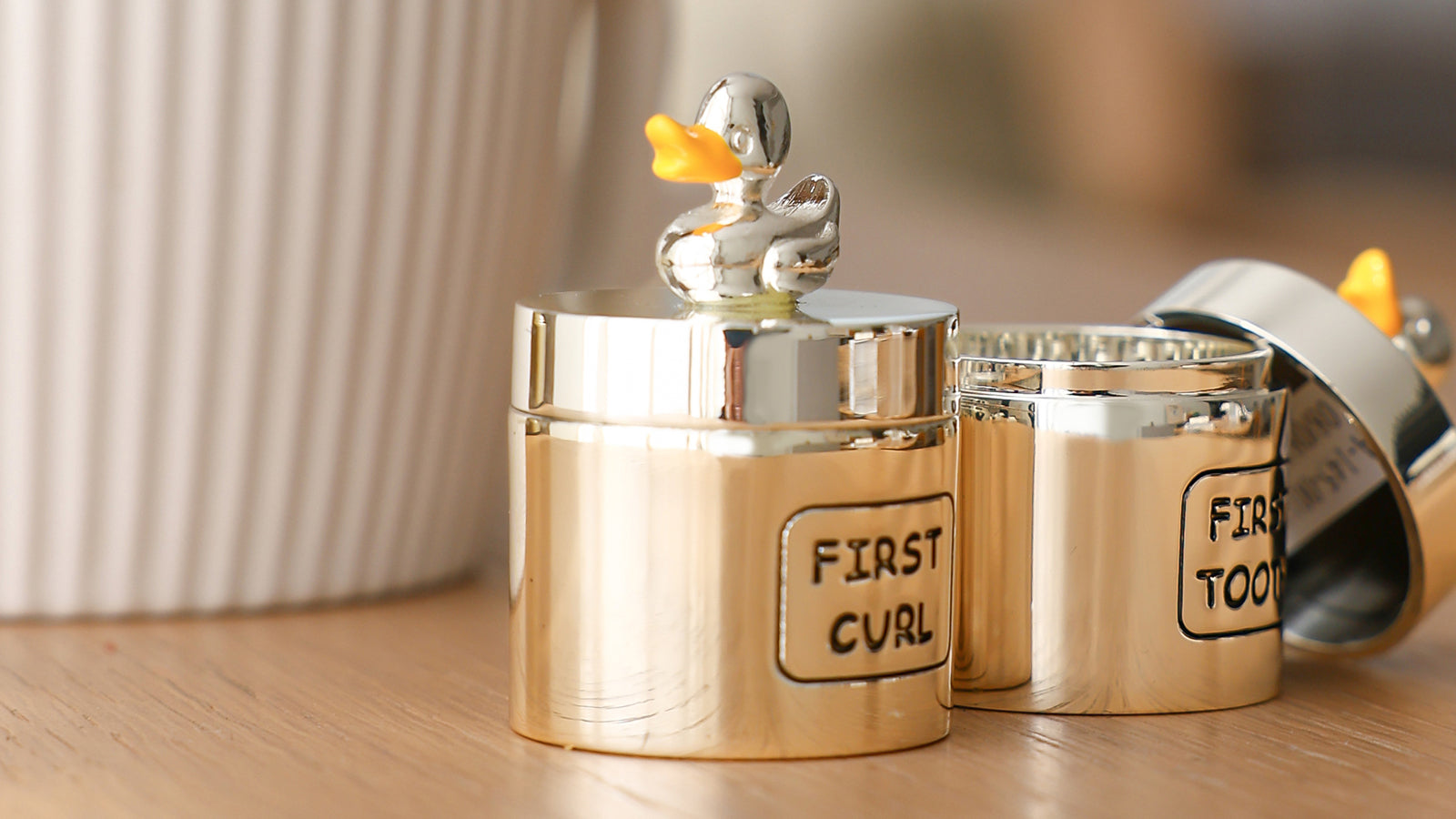
The flat panels and formed components of metal boxes and trinket box bodies are typically stamped — providing the consistent geometry that allows components to assemble cleanly and lids to fit precisely.

Stamping and Die Casting: Knowing When to Use Which
Stamping and die casting are complementary processes, not competing ones. Many premium metal giftware products combine both — stamped components for flat or formed elements, die-cast components for three-dimensional details, decorative hardware, or structural elements that require depth.
Understanding which process suits which element of a product brief is part of how Winko's design team approaches new OEM and ODM projects. When you submit a brief, we assess each component against the available processes and recommend the combination that best aligns with your product's design intent, production volume, and budget.
Next week, we'll look at die casting in detail — where it excels, how it differs from stamping, and the product types it's built for.

Ready to Discuss Your Next Metal Giftware Project?
Whether your brief calls for stamped components, die-cast elements, or a combination of both — the conversation starts with a quote request.