You've requested the samples. They've arrived at your office. Now comes the part that separates experienced sourcers from everyone else: knowing exactly what to look for.
A metal giftware sample can look impressive in a photograph or under trade show lighting. The real evaluation happens when it's sitting on your desk — and you know where to look.
This guide covers six key areas to assess when evaluating metal giftware samples, and what separates genuinely premium manufacturing from products that will disappoint your customers down the line.

Why Craftsmanship Evaluation Matters More Than You Think
Most quality failures in metal giftware don't show up immediately. They show up six months later — when a retail customer notices gold finish flaking on a trinket box, or a corporate gifting programme receives complaints about inconsistent product appearance across a batch.
By the time these issues surface, the order has been fulfilled and the damage to your brand relationship is done. The time to catch these problems is before you place the order — when the sample is in your hands.
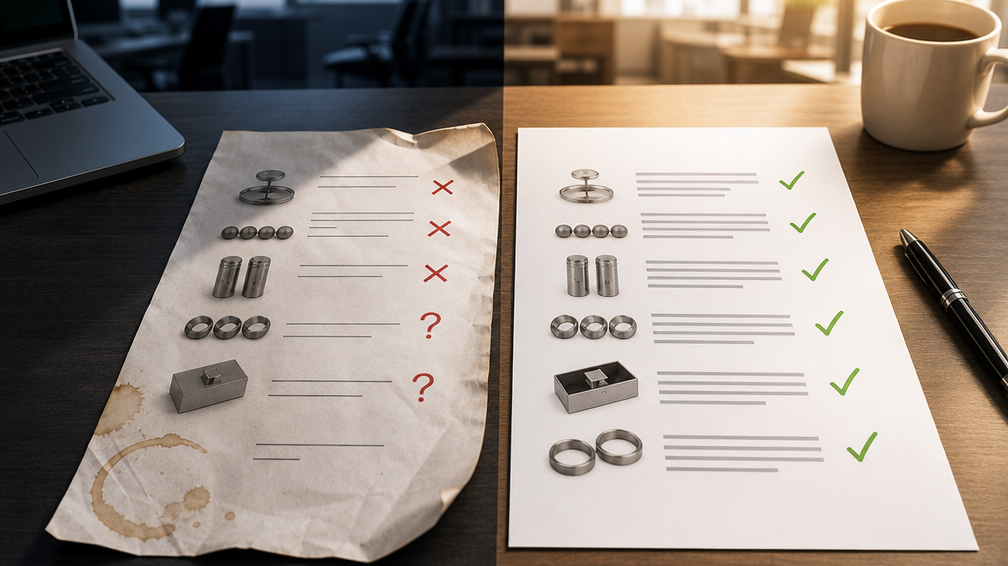
The Six-Point Craftsmanship Checklist
1. Edge Finishing
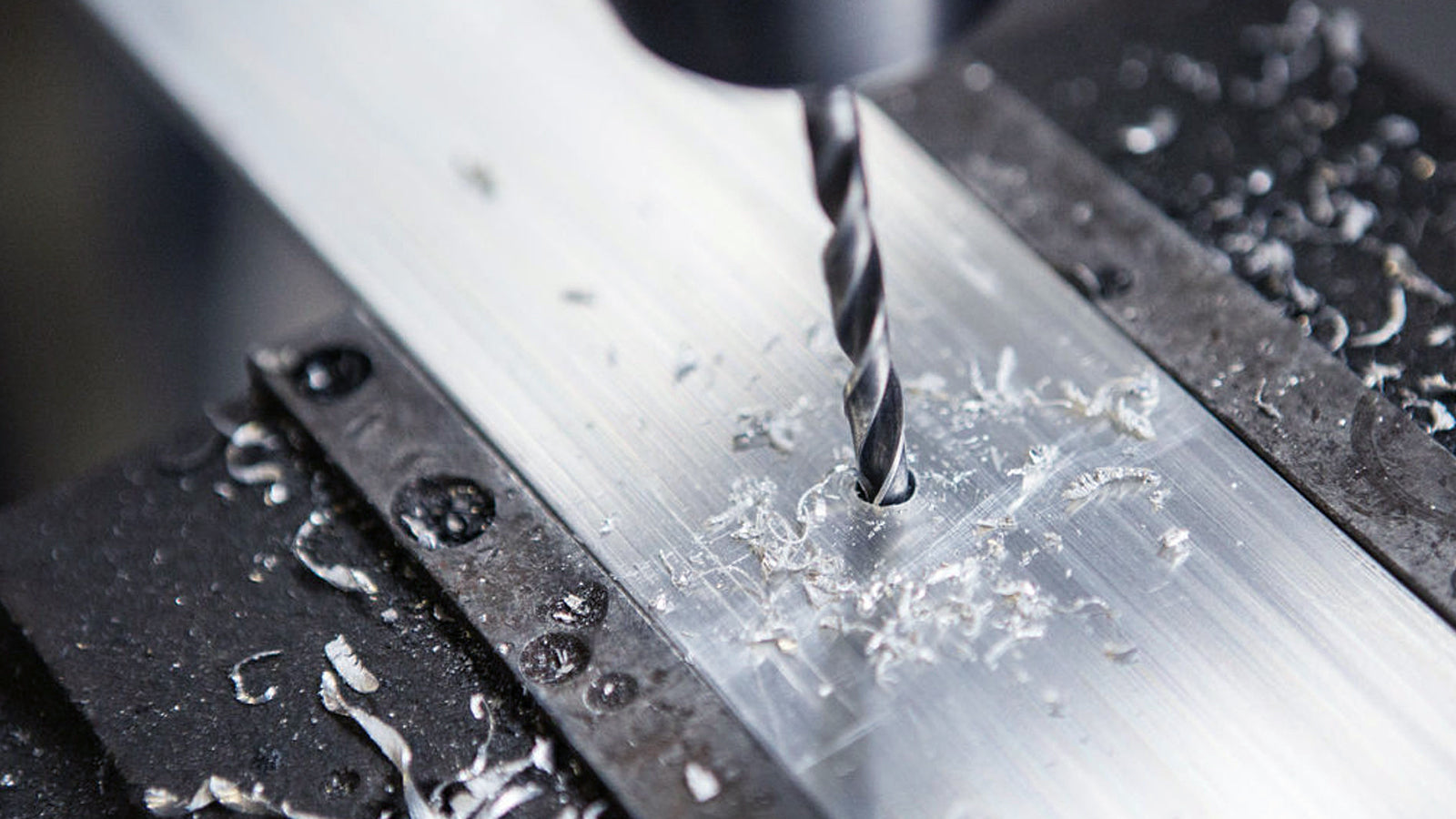
Run your finger along every edge — the rim of a tray, the corner of a frame, the lid edge of a trinket box. Premium metal giftware should feel uniformly smooth with no sharp points, rough burrs, or inconsistent grinding marks.
What "just OK" looks like: Edges that feel slightly rough in places, or visible grinding marks where the metal was trimmed.
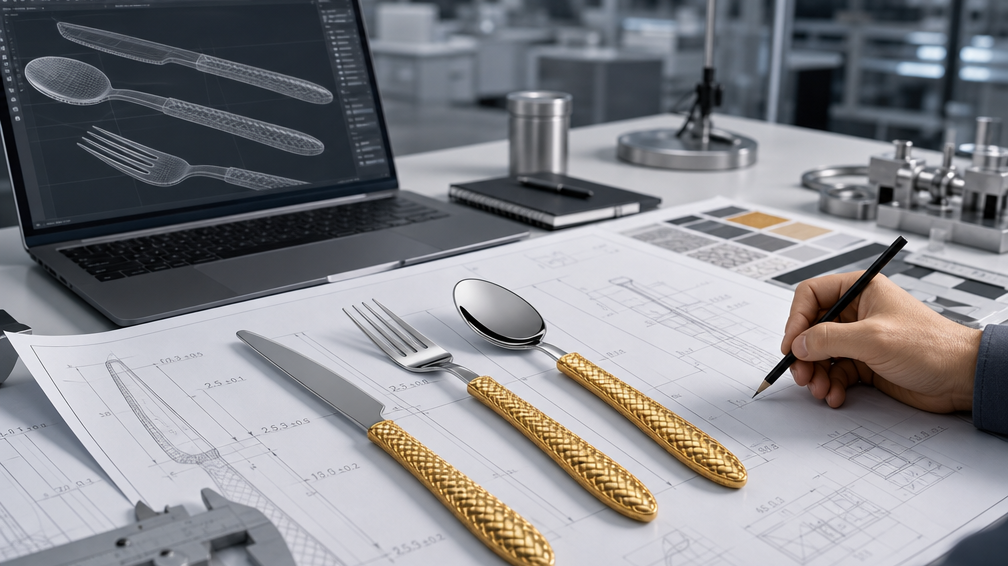
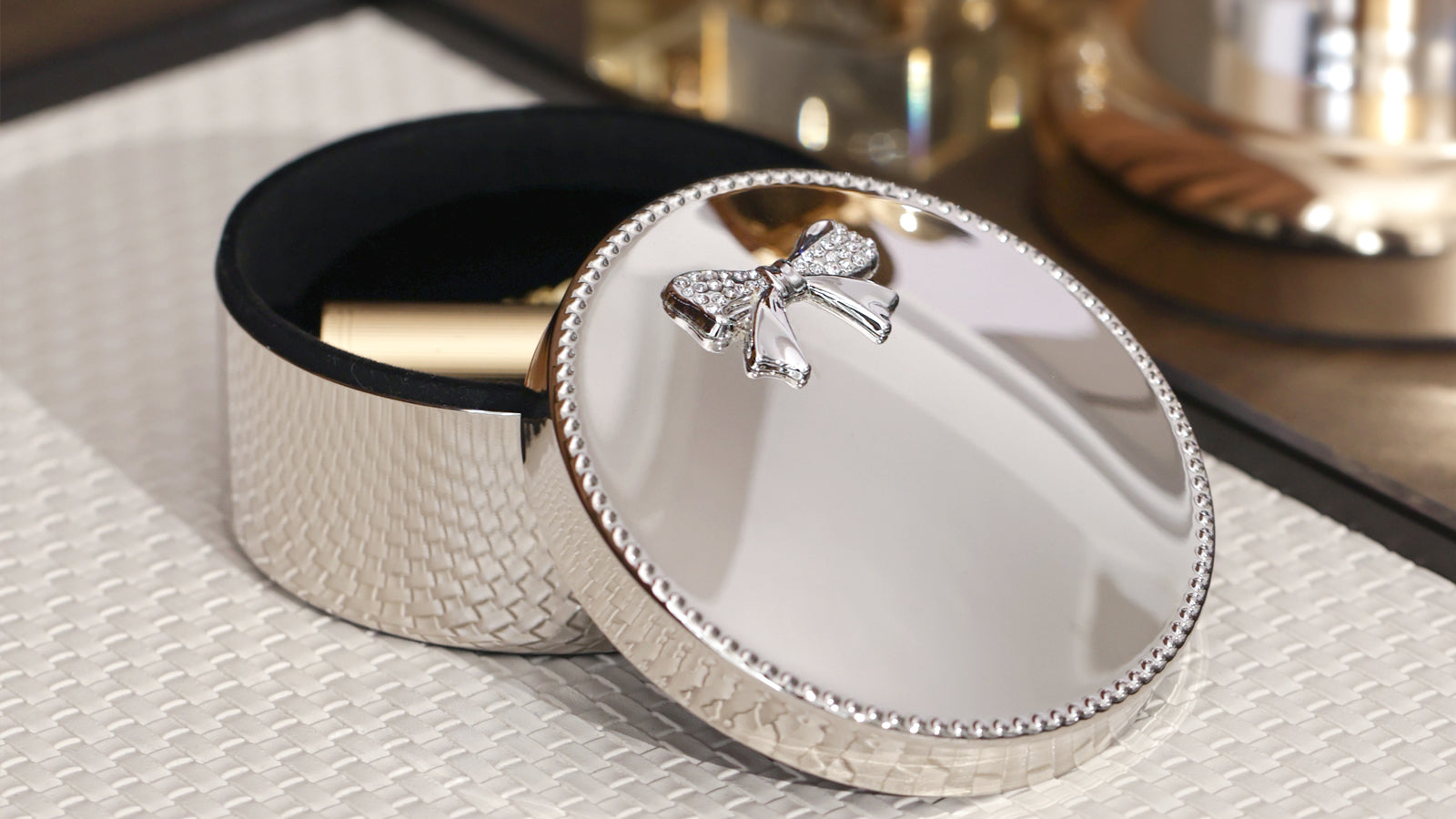
The Woven Glow indicator: Consistent edge finishing across a woven-texture surface requires additional production attention — and is a reliable indicator of overall manufacturing discipline.

2. Weld Quality
Inspect every joint where two pieces of metal meet — handles on trays, hinges on boxes, frame corners. Welds should be clean, flush, and invisible after finishing. No visible seam lines, no gaps, no excess solder material.
The test: Hold the product up to a light source and look along the join line. Any surface inconsistency will catch the light immediately.

3. Joint Alignment
On products with multiple components, check that all parts align correctly. A trinket box lid should sit flush on all four sides. A photo frame should sit flat without rocking. Tray handles should be symmetrical when viewed straight on.
Why this matters at scale: A 1–2mm misalignment on a sample can become a 3–4mm variation across a production run of thousands of units, because manufacturing tolerances compound.

4. Electroplating Consistency
Examine the finish across the entire product — not just the front face. Premium electroplating should be consistent in colour, depth, and sheen across all surfaces, including recessed areas and around joints.
The test: Rotate the sample slowly under natural light. Inconsistent electroplating shows up as patches of varying colour or sheen that aren't explained by the product's design.
The Woven Glow indicator: Consistent finish across deep woven-texture relief is significantly harder to achieve than on flat surfaces — and one of the clearest indicators of electroplating capability.

5. Weight and Material Integrity
Hold the product and assess its weight relative to its size. Premium metal giftware should feel substantial — not heavy for its own sake, but with a density that communicates material quality. Flex a tray or flat piece lightly: there should be no give in the metal.
What "just OK" looks like: A product that feels lighter than expected — often indicating thinner gauge metal than specified. Slight flex in tray bases when pressure is applied.

6. Finish Durability
Run your thumbnail firmly across an inconspicuous area of the finish. The surface should show no scratching, flaking, or colour transfer.
The accelerated test: Place a sample in a sealed bag with a damp cloth for 24 hours. A premium electroplated finish shows no tarnishing or colour change. A lower-quality finish will often show early signs of deterioration within this timeframe.

How to Use This Checklist in Practice
When your Winko sample kit arrives, work through these six points systematically — ideally with the team member who will sign off on final production approval. Document your observations with photographs and share any points for discussion with your Winko contact. Our team can clarify specifications, provide technical explanations, or adjust sample parameters before production is confirmed.
What Premium Looks Like: Woven Glow & Delft Blue FW26
The Woven Glow and Delft Blue FW26 collections are designed and manufactured to perform against every point in this checklist.
Woven Glow pieces are finished to consistent edge quality across the full texture relief, with electroplating penetrating recessed areas to the same standard as flat surfaces. Every hinged component is aligned to tolerance before leaving our QC floor.
The Delft Blue FW26 multi-material pieces add layer of assessment: ceramic glaze consistency, linen fabric tension, print registration, and the quality of metal-to-non-metal joins.
Request a sample kit to evaluate both collections against this checklist yourself.

Request Your Woven Glow + Delft Blue FW26 Sample Kit
The best way to apply this checklist is with the sample in your hand.
Request your sample kit and get a quote directly on our website.