

Most sourcing content about stainless steel reads like a sales pitch — durable, hygienic, low-maintenance, and it always wins. That's true often enough that it's become the default recommendation for tabletop programs across hospitality, corporate gifting, and retail. But "often" isn't "always," and a commercial stainless steel tableware supplier who only ever tells you why the material is right isn't giving you the full picture you need to source well.

This article takes the opposite approach from most material guides. Instead of building the case for stainless steel, it's a straightforward look at the specific situations where it's genuinely the best material for a tabletop program — and the ones where a buyer should think twice before defaulting to it.
Where Stainless Steel Genuinely Wins
High-frequency handling environments
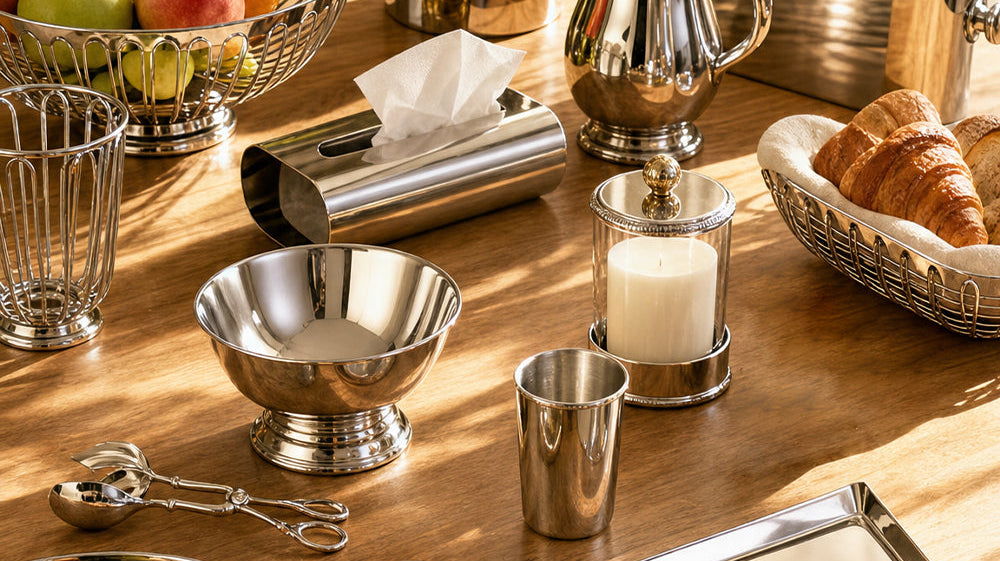
Hospitality F&B settings — hotel buffets, café service, catering rotations — put tableware through repeated handling, washing, and stacking every single day. Stainless steel holds up to that cycle without the surface degradation, chipping, or finish loss that softer materials show after a few months of heavy use. If a piece is going to be picked up, stacked, and washed dozens of times a day, stainless steel is close to a default-correct choice.

Hygiene-sensitive procurement
Food service and healthcare-adjacent hospitality settings often have hygiene standards that favor non-porous, easily sanitized surfaces. Stainless steel's non-porous surface and resistance to bacterial growth make it a straightforward fit here, and it's part of why the material dominates commercial kitchen and F&B tabletop procurement specifically.

Programs that need a consistent look across a long product lifecycle
Because stainless steel resists tarnishing and finish degradation over time, a tabletop set purchased today will still visually match a reorder placed two years later, far more reliably than plated or coated alternatives, which can shift in tone as coatings wear. For hospitality groups managing tabletop programs across multiple properties or over multi-year contracts, that long-term consistency has real procurement value.
Where Stainless Steel Is Not Automatically the Right Answer
Highly cost-sensitive programs at large volume
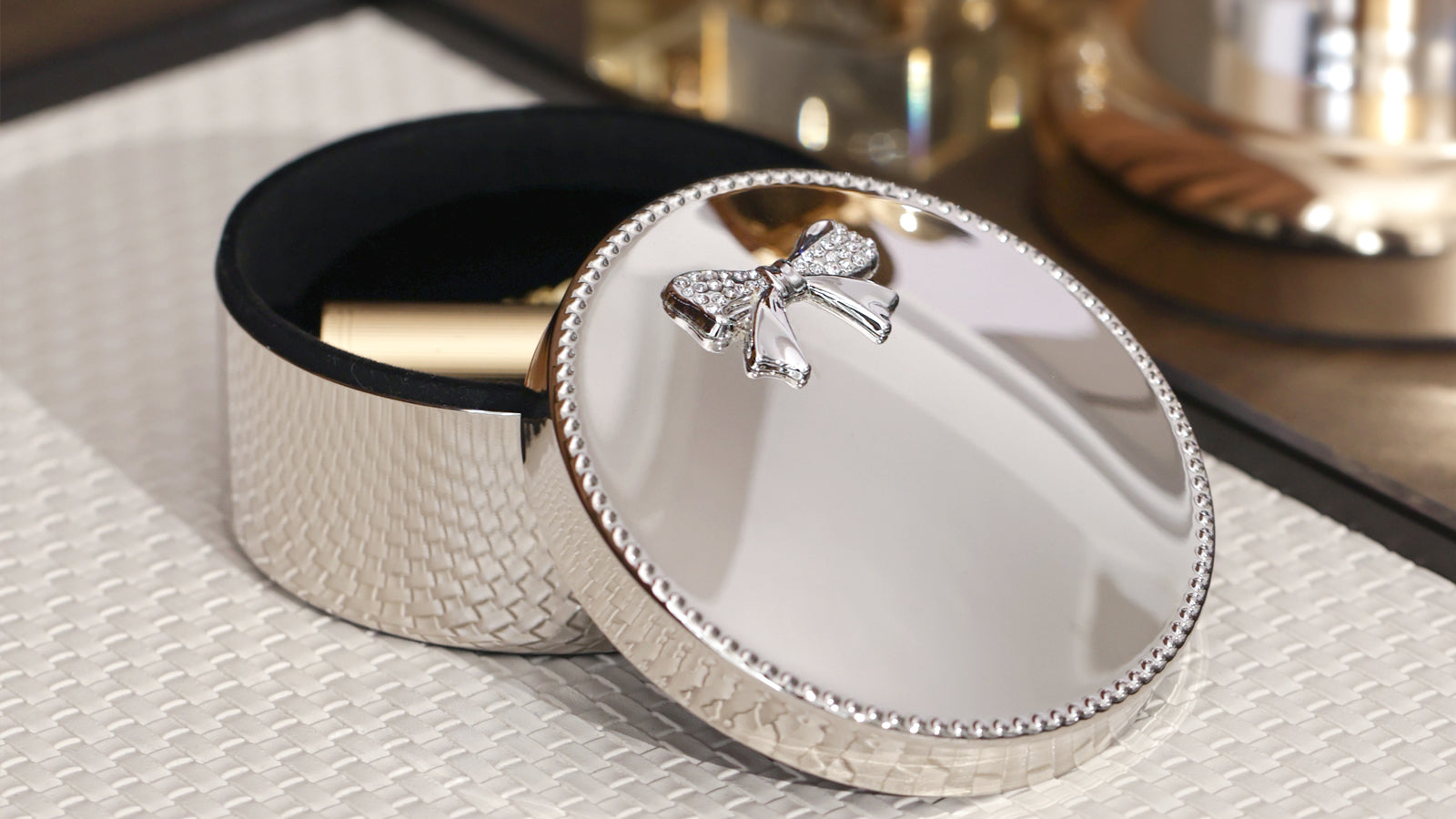
Stainless steel, particularly at the gauge and finish quality that reads as premium, carries a real material cost premium over plated or lower-grade metal alternatives. For programs where budget per unit is the primary constraint and the tabletop pieces won't see heavy daily handling — a one-time corporate gift, for instance, rather than a hospitality service item — a plated finish can deliver a comparable look at a meaningfully lower cost.
Programs where a specific decorative finish matters more than durability
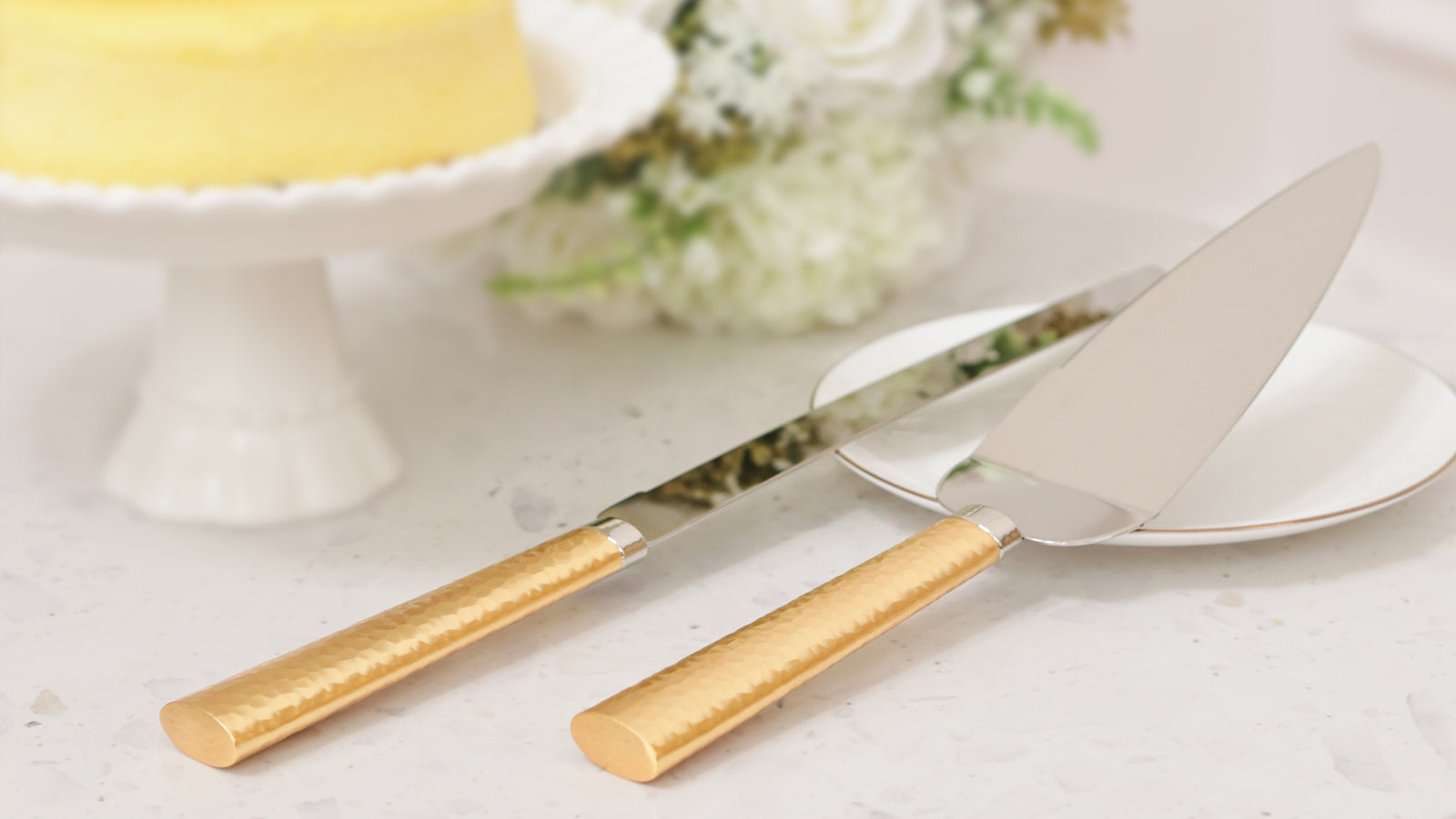
Stainless steel's finish range (brushed, mirror, satin) is genuinely versatile, but it has a ceiling. Some decorative effects — certain warm-toned finishes, heavily patinated looks, specific color treatments — are more naturally achieved with plated or coated metals than with stainless steel itself. If the design brief is built around a particular decorative finish first and durability second, it's worth checking whether stainless steel is actually the best route to that specific look, rather than assuming it can replicate any finish a buyer has in mind.

Extremely high customization requirements at low volume
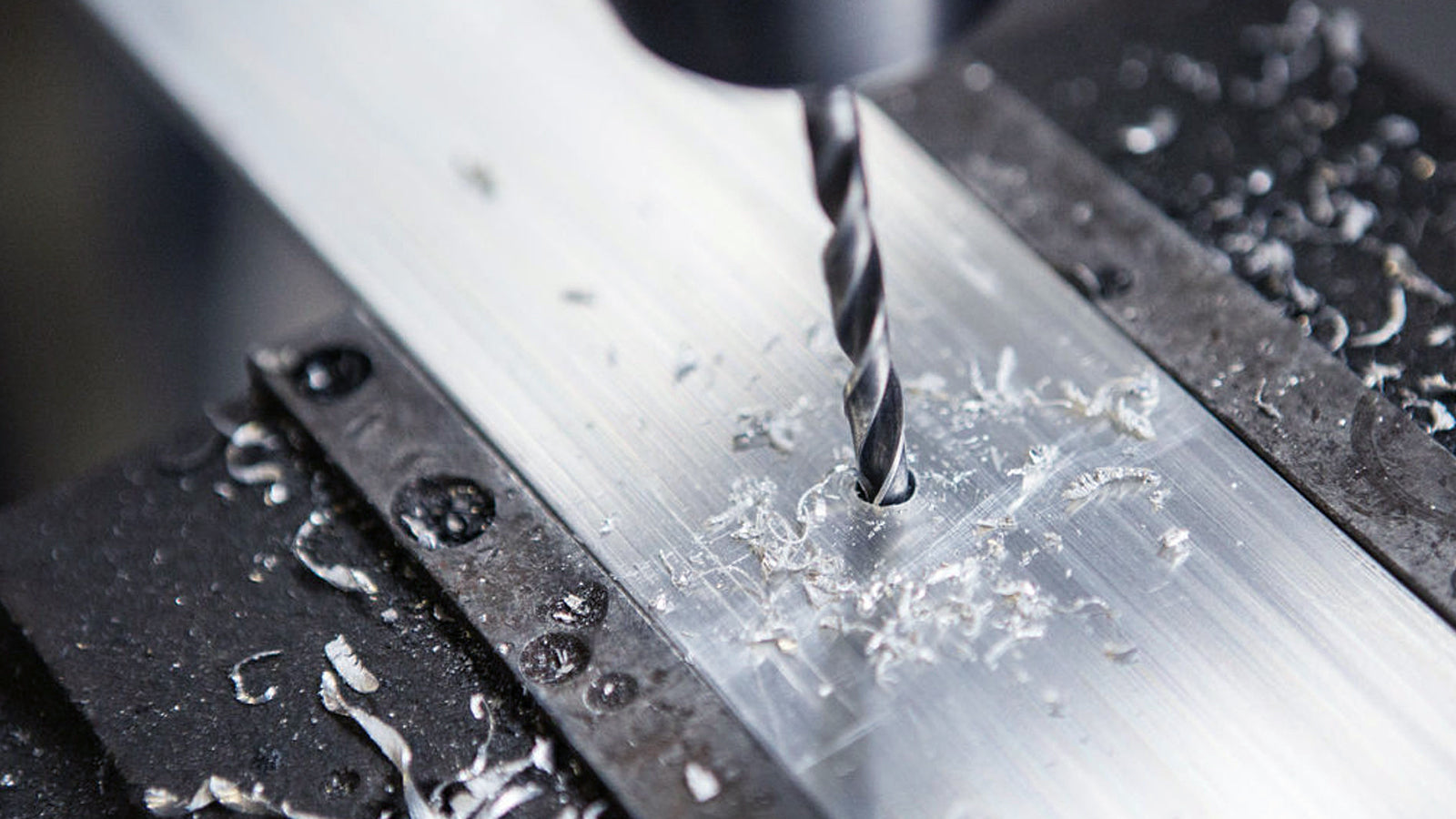
Stainless steel tooling — particularly for stamped components — has meaningful upfront cost that amortizes over volume. For a program that needs a highly customized one-off or very low-volume run, that tooling cost can outweigh the material's long-term durability advantage, since the program may not run long enough to benefit from it. In these cases, it's worth discussing production methods that don't require the same tooling investment, even if the finished material ends up being different from stainless steel.
Weight-sensitive applications
Stainless steel is heavier than many alternative metals at a comparable gauge. For applications where weight matters — amenity kits, shipped retail gift sets where freight cost scales with weight, or travel-oriented products — that weight can become a real cost and logistics factor worth weighing against the material's durability benefits.

How to Think Through This as a Buyer
The decision isn't really "stainless steel or not." It's a question of which variable matters most for a specific program: handling frequency, hygiene requirements, long-term visual consistency, per-unit cost, decorative finish flexibility, customization volume, or weight. Stainless steel wins decisively on the first three. It's genuinely worth questioning on the rest.
A supplier who's willing to walk through this tradeoff honestly — rather than defaulting to "stainless steel is best" for every brief — is generally a better long-term sourcing partner, even when the immediate answer is that stainless steel isn't the right fit for a specific program.

Where This Leaves Our Range
Our stainless steel tabletop range is built around exactly the strengths outlined above: hospitality and corporate gifting contexts where handling frequency, hygiene, and long-term consistency matter more than minimizing per-unit cost or hitting a very specific decorative finish. If your program fits that profile, stainless steel is very likely the right call. If your priorities lean toward extreme cost sensitivity, a specific decorative effect, or very low-volume high customization, we're glad to have that conversation honestly rather than push a material that isn't the best fit for your brief.