



Most buyers plan their next tabletop or giftware program around what worked last time. That's usually a safe bet — until the market shifts enough that "what worked last time" quietly stops being the most competitive option. A few real shifts are already reshaping how hospitality groups and corporate buyers source metal tabletop programs, and they're worth understanding now, while you're still planning rather than reordering.
This isn't a speculative trend piece. It's a look at shifts already visible in procurement behavior today, and what they mean for anyone briefing a program that still needs to make sense in 2027.

Refresh Cycles Are Getting Shorter
Across hospitality procurement broadly, the interval between full refreshes of dining and tabletop fixtures has been compressing — properties are increasingly treating these items as a recurring operational expense rather than a long-term capital purchase.
That shift changes what buyers should actually value in a supplier relationship. A program built around a single large order every several years benefits most from getting the initial spec exactly right. A program built around more frequent, smaller refresh cycles benefits more from a supplier who can turn around consistent reorders quickly and hold design consistency across time — which is a different sourcing priority than most buyers have historically optimized for.

Custom and Branded Programs Are Becoming Accessible at Lower Volume
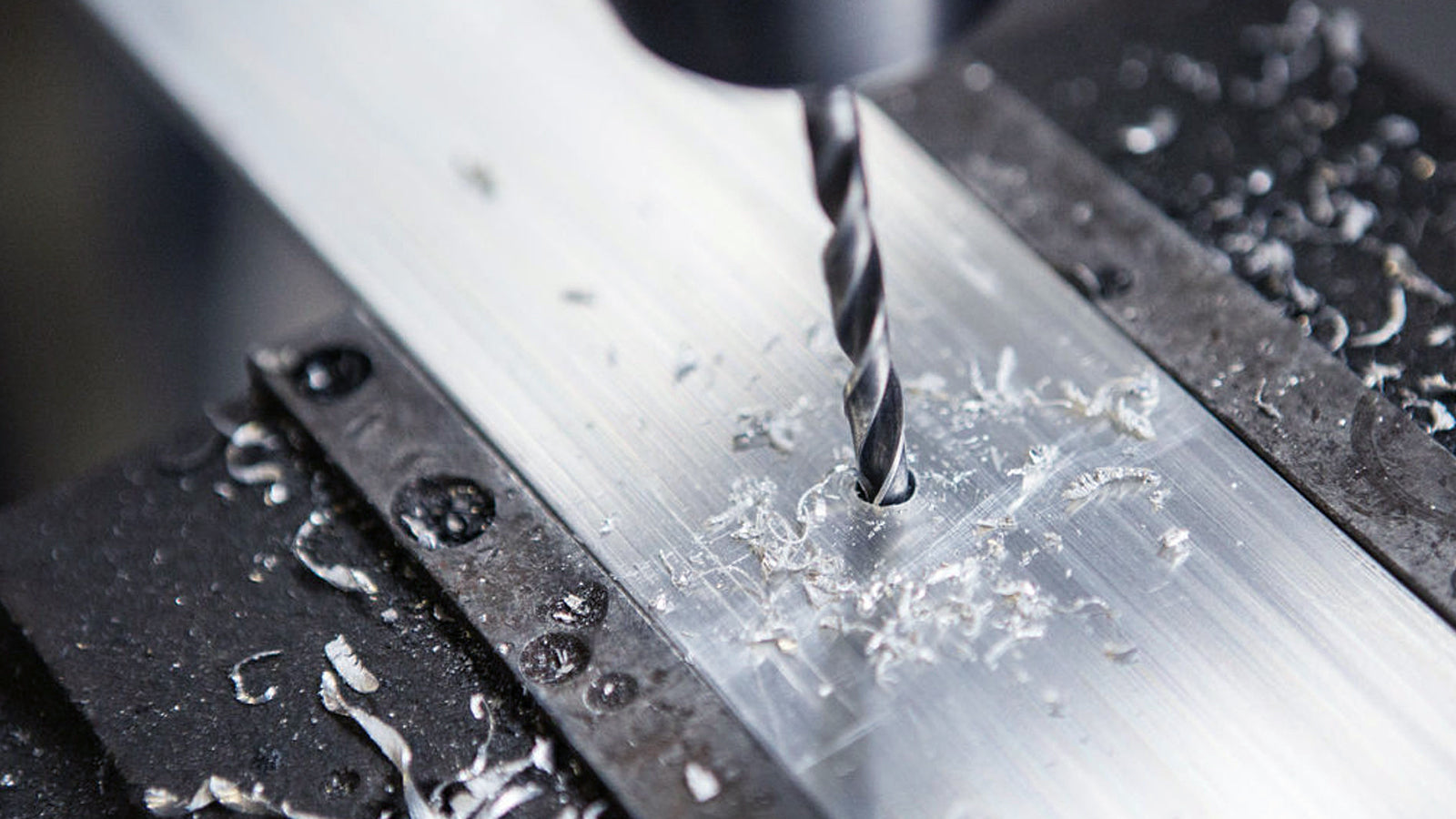
Customizable, branded, and color-matched tabletop formats are increasingly supporting chain identity programs, with techniques like laser-etched stainless steel patterns enabling this tier of customization.
Combined with lower minimum order quantities becoming standard at established manufacturers, this means custom-branded tabletop programs — once realistically only viable for large chains ordering thousands of units — are increasingly within reach for boutique properties and mid-size corporate gifting programs. If your last custom tabletop conversation ended because the minimum order didn't pencil out, it's worth revisiting that math for 2027.

Bespoke and Signature Collections Are a Growing Differentiator
A meaningful share of boutique hospitality organizations are now commissioning signature tableware collections specifically to reinforce brand identity, rather than sourcing from standard catalog offerings.
This tracks with the broader trend toward tableware functioning as a visible branding touchpoint rather than a purely functional purchase — something we discussed as an emerging market signal earlier this year. Heading into 2027, expect this to shift from "differentiator" to closer to baseline expectation at the upper end of hospitality and premium corporate gifting.

Space and Storage Efficiency Are Entering the Spec Sheet
Stackable configurations are gaining share as real estate costs and labor efficiency increasingly drive storage optimization priorities in tabletop procurement.
This is a relatively new variable for buyers to weigh explicitly — historically, stackability was a nice-to-have rather than a named specification. For urban properties and high-turnover hospitality operations in particular, it's worth adding to the brief directly rather than treating it as implicit.
Procurement Timelines Are Compressing
Finishing technology convergence and the digitization of procurement platforms are compressing the time between initial specification and final delivery across metal manufacturing broadly.
For buyers, this means the realistic lead-time expectations you worked with a few years ago may no longer reflect what's achievable — which cuts both ways. It's an opportunity to plan programs with less buffer than before, but it also means suppliers who haven't kept pace on this front are becoming a comparatively worse choice, even if their unit pricing looks competitive.

What This Means for Briefing a 2027 Program
None of these shifts individually demand a different sourcing strategy. Together, they suggest a few practical adjustments worth making now:
- Ask about reorder turnaround, not just initial lead time, if your program is likely to run on a shorter refresh cycle than it used to.
- Revisit custom and branded options you may have ruled out on cost or MOQ grounds in past years — the math has likely changed.
- Add stackability and storage footprint to your spec sheet explicitly, rather than assuming covered by general dimensions.
- Ask potential suppliers directly about their current lead times rather than relying on what was standard the last time you sourced a similar program.

Planning Your Own Program
If you're starting to brief a tabletop or giftware program for next year, the earlier these questions get asked, the more room there is to actually act on the answers — rather than discovering a better option after tooling or a purchase order is already committed. We're glad to walk through where your program specifically fits into these shifts, and where it doesn't.