
In premium F&B and hospitality procurement, tabletop specification decisions carry more weight than they might appear to. The serving tray a guest picks up at a hotel buffet, the tier stand on a café counter, the canister set on a corporate dining table — these pieces are handled dozens of times a day, cleaned repeatedly, and expected to look as good in year three as they did on day one.
 There has been a clear resurgence in demand for metallic tableware in hospitality, restaurant, and catering settings, with stainless steel in particular high demand across brushed, mirrored, and hammered finishes. The reasons are practical as much as aesthetic — and understanding them helps buyers make more confident procurement decisions.
 Why Stainless Steel Is the Default Choice for High-Touch F&B Applications
Durability under daily use
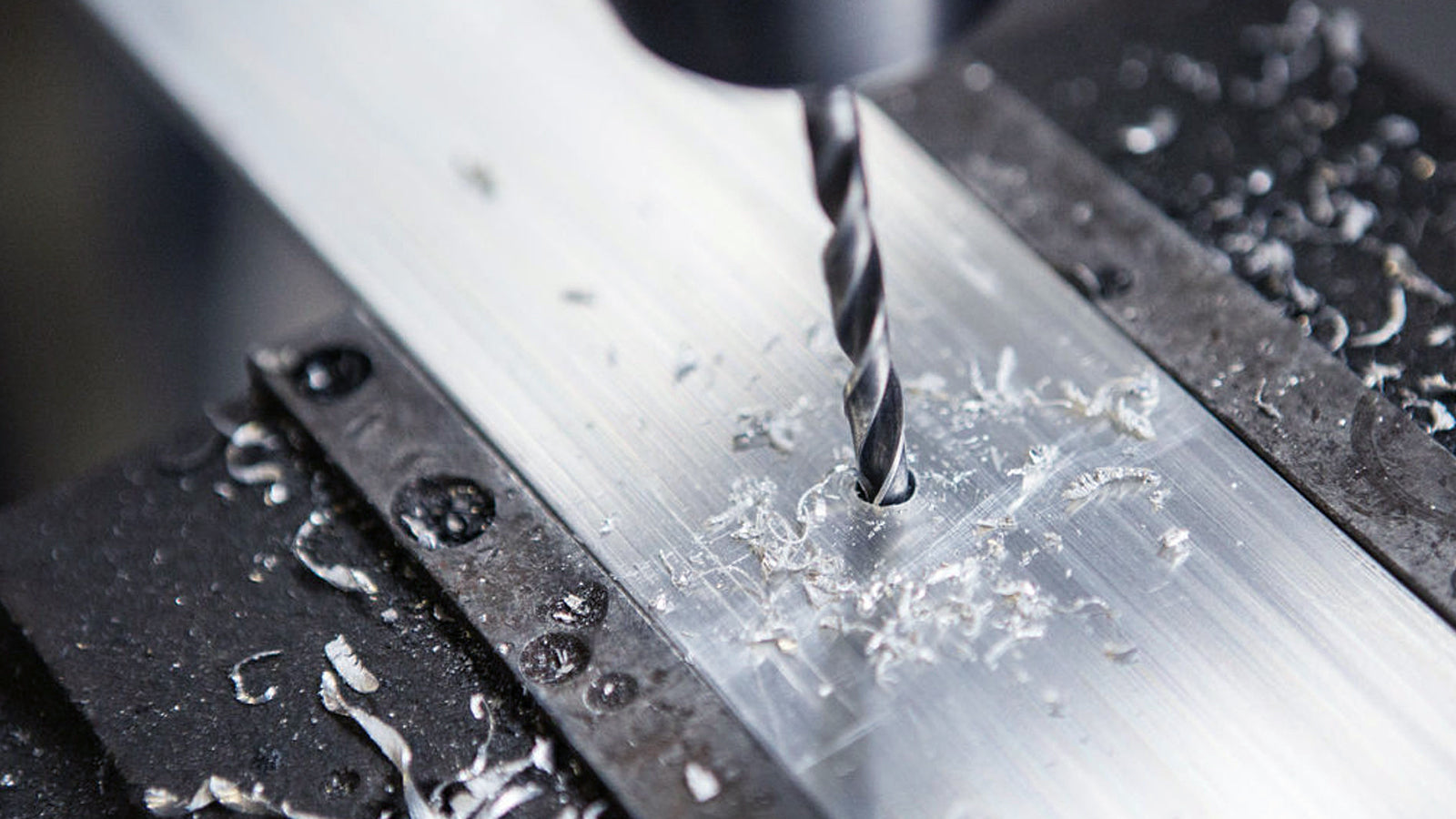
Stainless steel's defining advantage in hospitality tabletop is its resistance to the conditions that degrade other materials. Stainless steel is a highly resilient material that withstands the rigours of a busy professional kitchen while maintaining its high-shine elegance.
For procurement buyers, this translates directly to replacement cost and lifecycle value. A stainless steel serving tray or tier stand that maintains its appearance and structural integrity through years of daily service — cleaning cycles, stacking, handling — represents a fundamentally different cost equation than a plated equivalent that begins to show wear within 12–18 months.

Hygiene and cleanability
Stainless steel's defining advantage lies in how it performs under repeated cleaning. Its non-porous, smooth surface resists residue buildup and bacterial growth, holding up to constant contact without degrading.
For procurement buyers, this translates directly to labour cost and service complexity. Tabletop pieces that are wiped down and sanitized multiple times a day — hotel breakfast service, catered events, corporate dining — need finishes that stay presentation-ready without special handling. Stainless steel resists fingerprints, water spots, and staining. It withstands commercial-grade sanitizers without pitting, tarnishing, or coating loss — unlike plated equivalents, which can dull or flake under the same cleaning cycles that stainless steel shrugs off.

Aesthetic consistency at scale
Stainless steel has a timeless quality with many shapes, sizes and finishes available — giving the market the diversity it requires while maintaining the material's inherent quality signal.
For buyers procuring tabletop pieces across multiple outlet locations or room categories, aesthetic consistency across a large order is a practical requirement. Stainless steel's material consistency — the same finish, the same visual weight, the same surface quality across thousands of units — is something that plated metals struggle to match at scale without rigorous batch-to-batch quality control.
Multi-Stainless Steel Grades
Winko's stainless steel tabletop range is produced in multi-stainless steel, which delivers the durability, cleanability, and aesthetic consistency that make stainless steel the preferred choice for premium tabletop applications — the right specification for any given product depends on the application context, volume requirements, and the buyer's specific performance criteria.
When submitting a brief, sharing the intended use environment and any specific performance requirements allows us to recommend the grade that best fits the product and the application — ensuring the specification decision is made on the right basis from the start.

Stainless Steel vs Alternative Tabletop Materials
Stainless steel vs electroplated metal
Electroplated metal — gold, silver, or other finishes applied over a base metal — delivers strong aesthetic impact and is well-suited to decorative and premium gifting applications. For high-contact, high-frequency tabletop service, however, the plating layer introduces a durability consideration: silver-plated flatware suited for high-end venues requires special cleaning and care, including de-tarnishing, and cannot go in the dishwasher.
For procurement buyers managing tabletop programmes across multiple outlets or high-volume service environments, the maintenance requirements of plated metal represent a meaningful operational overhead. Stainless steel eliminates this overhead while maintaining a premium aesthetic — making it the practical default for service-focused applications.

Stainless steel vs copper and brass
Copper and brass deliver distinctive, warm aesthetics that have strong appeal in specific interior design contexts — industrial, rustic, and artisanal dining environments in particular. While stainless steel is relatively low-maintenance, copper, brass, and other finishes may need more TLC — for example, with regular polishing — making them a more demanding choice for high-volume hospitality operations. Arcadiasourcing
The maintenance requirements position copper and brass as accent materials rather than primary tabletop workhorses — effective for decorative pieces in low-contact display settings, but less practical for pieces that undergo daily service and cleaning cycles.
Stainless steel vs aluminium
Aluminium offers a lightweight alternative at lower material cost. For tabletop applications where weight and budget are primary considerations, it has a role. For premium F&B and hospitality procurement, however, aluminium's lower density and surface hardness make it a less convincing material choice — it dents more easily, scratches more visibly, and communicates a lower quality signal than stainless steel in guest-facing settings.
The Winko Stainless Steel Tabletop Line
Winko's stainless steel tabletop range covers the key product categories that hospitality, F&B, and premium retail buyers specify most frequently.
Cavo Collection
The Cavo collection offers a coordinated aesthetic across tier trays and canisters — designed for café counter display, hotel buffet service, and premium retail presentation. Available in 2-tier and 3-tier tray configurations, with canister sets that complement the tiered tray aesthetic for a complete counter or buffet presentation.

Tabletop Serving Range
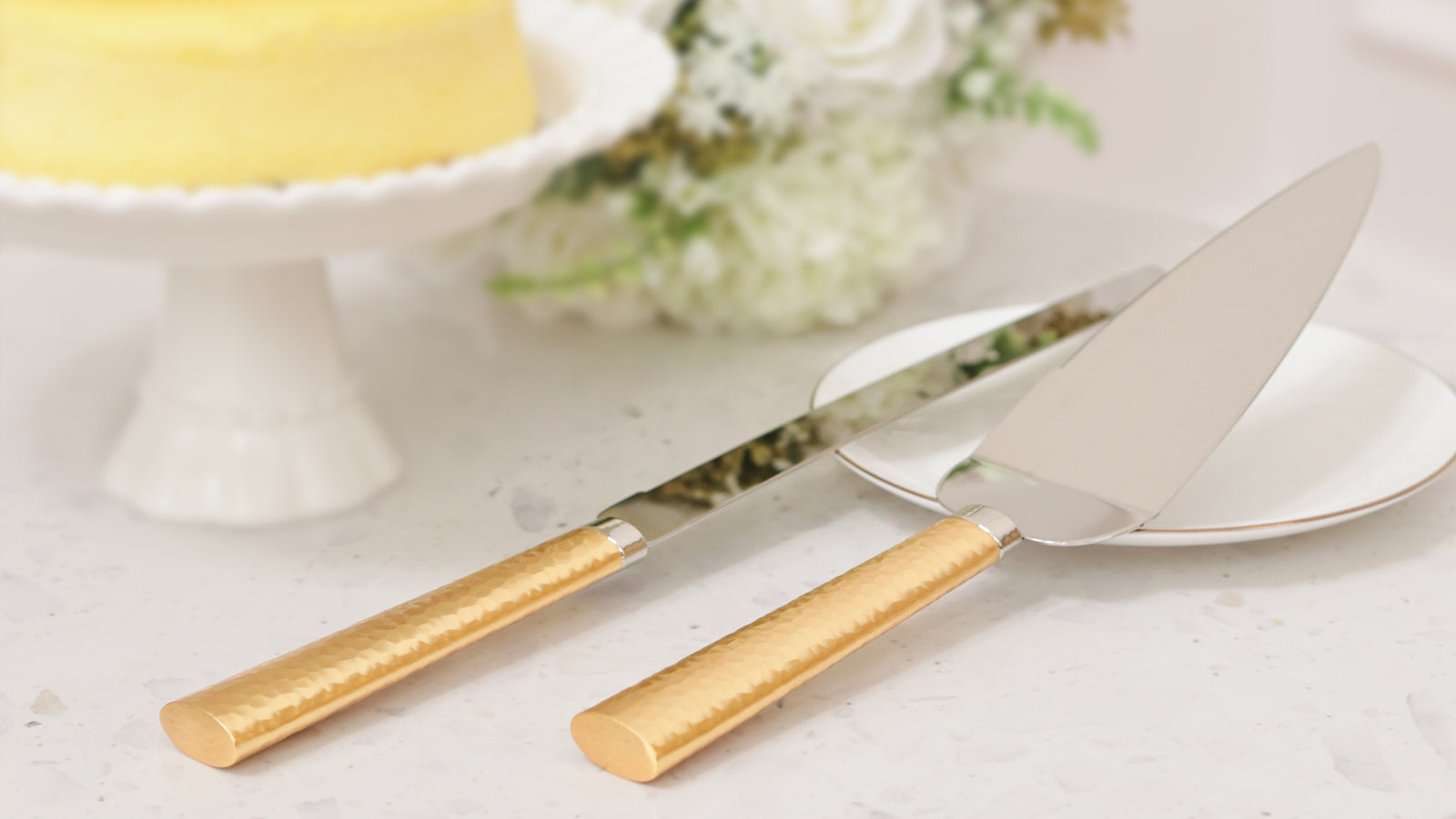
The serving range covers the functional tabletop categories that hospitality procurement teams specify for F&B service: serving trays in multiple formats, serving sets, salad servers, and coordinated tabletop accessories. Produced in multi-stainless steel, finished to consistent surface standards across production runs.
Both ranges are available for OEM/ODM development — custom dimensions, surface finishes, and branding applications are available for buyers developing proprietary tabletop programmes.
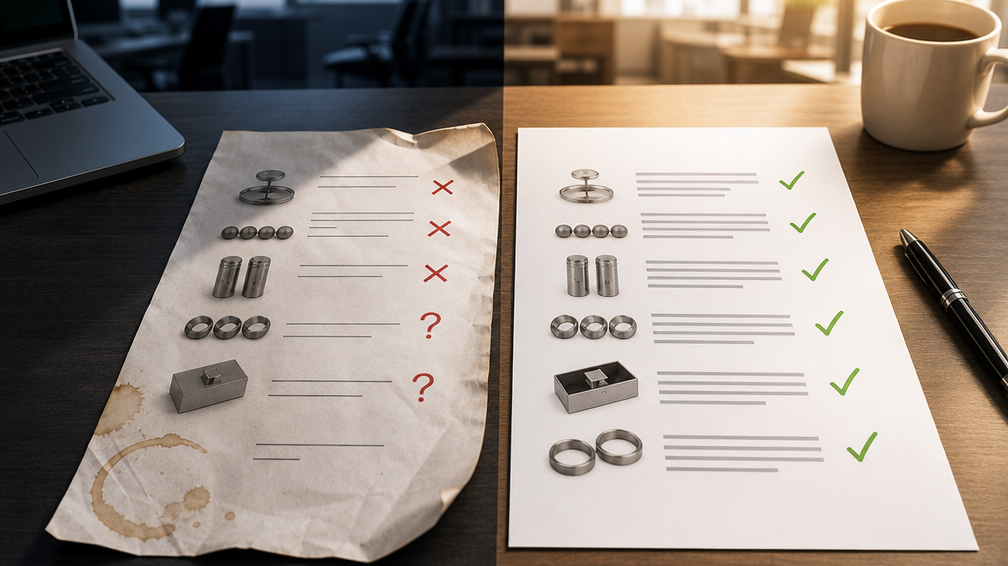
What to Specify When Briefing a Stainless Steel Tabletop Project
Surface finish: Brushed, mirror-polished, and hammered finishes each carry different aesthetic signals and maintenance requirements. Mirror polish delivers maximum visual impact; brushed finishes are more forgiving of fingerprints and surface contact marks in high-touch service environments.
Volume: Stainless steel tabletop production is well-suited to both mid and high volume runs. MOQ guidance is available on request — including for coordinated sets that combine multiple product types.
Application: F&B service, buffet display, counter presentation, retail ranging, and corporate dining each place different demands on the product. Communicating the application context allows us to recommend the right grade, finish, and construction specification for the end use.

Request the Winko Stainless Steel Tabletop Catalogue
The Cavo collection and full tabletop serving range are available for review now.
Request your catalogue and get a quote directly on our website.